
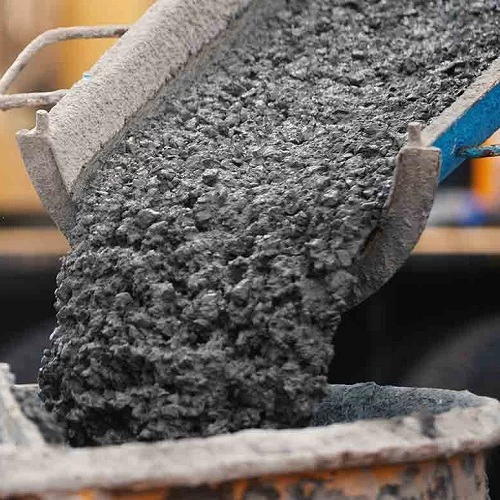
Building anything from a small backyard shed to a towering skyscraper requires the right materials in the right quantities. Construction projects depend on a carefully selected combination of components that work together to create safe, durable structures. Getting quality concrete supplies and other essential materials makes the difference between a project that lasts decades and one that falls apart within years. Every material serves a specific purpose, and understanding these roles helps builders make smarter purchasing decisions.
What Are the Most Essential Construction Materials?
The most essential construction materials include concrete, steel, wood, bricks, aggregates, cement, sand, and various binding agents that form the foundation of virtually every building project, from residential homes to commercial structures.
These core materials have stood the test of time for good reasons. Each one brings unique properties that others cannot replicate. Smart builders understand what each material does best and use them accordingly.
Concrete and Its Components
Concrete dominates modern construction more than any other single material. This versatile substance forms foundations, walls, floors, driveways, and countless other structural elements across residential, commercial, and infrastructure projects.
Why Concrete Matters So Much
The popularity of concrete material comes from its exceptional combination of strength, durability, and affordability. Once cured, properly mixed concrete withstands tremendous loads while resisting weather, fire, and pests. Few other materials offer this range of benefits at comparable costs.
Concrete consists of several key ingredients:
- Portland Cement: The binding agent that holds everything together
- Fine Aggregate: Sand filling gaps between larger particles
- Coarse Aggregate: Gravel or crushed stone providing bulk and strength
- Water: Activates the cement through a chemical reaction
- Admixtures: Chemical additives enhancing specific properties
Types of Concrete Applications
| Concrete Type | Strength Range | Common Uses |
| Standard Mix | 2,500-3,500 PSI | Sidewalks, patios, and light residential |
| Structural Grade | 4,000-5,000 PSI | Foundations, load-bearing walls |
| High Performance | 6,000+ PSI | Bridges, high-rises, heavy industrial |
| Decorative | 3,000-4,000 PSI | Stamped surfaces, polished floors |
Steel and Metal Products
Steel ranks second only to concrete in construction importance. This incredibly strong material provides structural support that concrete alone cannot achieve, especially for tension forces and tall buildings.
Structural Steel Applications
- Beams and Columns: Primary framework for commercial buildings
- Reinforcement Bars: Embedded in concrete for added tensile strength
- Metal Decking: Floor and roof support systems
- Fasteners: Bolts, screws, and connectors holding assemblies together
Other Metal Products
Beyond structural steel, construction projects use various metal products, including aluminium for window frames and siding, copper for plumbing and electrical work, and zinc coatings protecting steel from corrosion. Each metal brings specific properties suited to particular applications.
Wood and Timber Products
Despite advances in synthetic materials, wood remains essential for construction projects of all types. Residential building especially depends on lumber for framing, sheathing, and finishing work.
Common Wood Applications
Dimensional lumber forms the skeleton of most houses. Wall studs, floor joists, roof rafters, and ceiling joists typically use standard lumber sizes that builders have relied on for generations. The natural strength-to-weight ratio of wood makes it ideal for these framing applications.
Engineered wood products have expanded what builders can accomplish:
- Plywood: Layered sheets for sheathing and subflooring
- OSB: Oriented strand board as cost-effective sheathing
- LVL: Laminated veneer lumber for long spans
- Glulam: Glued laminated beams for heavy loads
Wood Advantages and Limitations
Wood offers warmth, workability, and renewable sourcing that other materials cannot match. Carpenters can cut, shape, and fasten wood with basic tools, making it accessible for projects of any scale.
However, wood has vulnerabilities, including moisture damage, insect attack, and fire susceptibility. Proper treatment, protection, and placement help overcome these limitations for long-lasting wood construction.
Aggregates and Fill Materials
Aggregates form the bulk of concrete material and serve numerous other construction purposes. These granular materials include sand, gravel, crushed stone, and recycled concrete.
Aggregate Applications
- Concrete Production: Comprising 60-75% of typical concrete mixes
- Base Courses: Foundation layers beneath slabs and pavements
- Drainage Systems: Allowing water flow around foundations
- Landscaping: Decorative surfaces and erosion control
- Road Construction: Sub-base and surface materials
Quality aggregates significantly impact concrete strength and durability. Clean, properly graded materials produce better results than dirty or poorly sorted aggregates. Reputable concrete supplies vendors test and certify their aggregate products.
Aggregate Sizing
| Size Classification | Particle Range | Primary Uses |
| Fine Aggregate | Up to 3/8 inch | Concrete, mortar, sand beds |
| Coarse Aggregate | 3/8 to 1.5 inches | Concrete, drainage, base courses |
| Large Stone | 1.5+ inches | Fill, riprap, drainage |
Cement and Binding Agents
Cement acts as the glue holding concrete and masonry together. This fine powder undergoes chemical reactions when mixed with water, binding other materials into solid masses.
Types of Cement
Portland cement dominates construction applications, but several varieties exist for different purposes. Type I serves general construction needs. Type II resists moderate sulfate exposure. Type III gains strength rapidly for time-sensitive projects. Type V handles severe sulfate conditions.
Other binding agents include:
- Masonry Cement: Formulated specifically for mortar and stucco
- Hydraulic Lime: Traditional binder for historic restoration
- Calcium Aluminate: Rapid-setting speciality applications
- Geopolymer Binders: Emerging Eco-Friendly Alternatives
Cement Storage Considerations
Cement loses effectiveness when exposed to moisture. Proper storage in dry conditions preserves quality and ensures reliable performance. Fresh cement produces stronger concrete than material sitting in warehouses for extended periods.
Bricks and Masonry Units
Masonry construction uses individual units stacked and bonded together to create walls, columns, and other structures. These materials have served builders for thousands of years and remain relevant today.
Brick Types and Uses
Clay bricks offer classic aesthetics and excellent durability. Fired at high temperatures, these units resist moisture, insects, and fire while requiring minimal maintenance over decades of service.
Concrete masonry units provide cost-effective alternatives:
- Standard CMU: Basic grey blocks for structural walls
- Split-Face Block: Textured surfaces mimicking natural stone
- Lightweight Block: Reduced weight for easier handling
- Insulated Block: Built-in insulation for energy efficiency
Mortar Requirements
Masonry units require mortar for bonding and sealing. This mixture of cement, lime, sand, and water fills joints between units, transferring loads and preventing moisture intrusion. Different mortar types suit various applications based on strength and flexibility requirements.
Insulation Materials
Energy efficiency demands proper insulation throughout building envelopes. These materials slow heat transfer, reducing heating and cooling costs while improving occupant comfort.
Common Insulation Types
- Fibreglass Batts: Affordable, widely available, easy installation
- Spray Foam: Superior air sealing, higher R-values per inch
- Rigid Board: Foundation and exterior wall applications
- Cellulose: A recycled paper product for blown-in applications
- Mineral Wool: Fire-resistant, sound-dampening properties
Insulation placement matters as much as material selection. Gaps and compression reduce effectiveness significantly. Proper installation techniques ensure materials perform as intended.
Roofing Materials
Roofs protect buildings from the weather while contributing significantly to the overall appearance. Material selection depends on climate, building style, budget, and desired lifespan.
Popular Roofing Options
Asphalt shingles dominate residential roofing due to affordability and decent durability. Metal roofing gains popularity for longevity and energy efficiency. Clay and concrete tiles suit certain architectural styles while offering exceptional durability in appropriate climates.
Flat roofs require different approaches, including built-up systems, single-ply membranes, and spray-applied coatings. Commercial buildings commonly use these materials for their large, low-slope roof areas.
Finishing Materials
Construction projects require numerous finishing materials that complete buildings and make them functional for occupants.
Interior Finishes
- Drywall: Standard wall and ceiling surfaces
- Paint: Protective and decorative coatings
- Flooring: Tile, hardwood, carpet, vinyl options
- Trim: Baseboards, casings, crown moulding
Exterior Finishes
Siding materials protect structural elements from the weather while providing aesthetic appeal. Vinyl, fibre cement, wood, and metal siding each offer distinct advantages for different situations and budgets.
Plumbing and Electrical Materials
Functional buildings require systems delivering water and power throughout structures. These materials often remain hidden within walls and floors but prove essential for modern living.
Plumbing systems use copper, PEX, PVC, and other piping materials depending on application and local codes. Electrical systems require wiring, conduit, boxes, panels, and numerous other components installed according to strict safety standards.
Conclusion
Construction projects require careful selection of key materials, including concrete, steel, wood, aggregates, cement, bricks, insulation, and various finishing products. Each material serves specific purposes that others cannot fulfil. Understanding these roles helps builders create structures that perform safely and durably for generations. Quality materials from reliable suppliers form the foundation of successful construction outcomes.
Pro-Mix Concrete provides premium concrete supplies and related materials for construction projects throughout the region. The team assists customers with product selection, quantity estimates, and delivery scheduling to keep projects moving efficiently. With quality products, competitive pricing, and genuine customer service, Pro-Mix Concrete supports builders from project start to successful completion.
FAQs
What are the basic materials needed to start building a house?
The basic materials to start building a house are cement, sand, aggregates, steel reinforcement, bricks or concrete blocks, and water for mixing structural concrete and mortar.
Which materials are most important for a building’s structure?
Concrete, reinforced with steel rebar, along with structural steel sections and timber or engineered wood, are the most important materials for a building’s load‑bearing structure.
What materials are used for walls in typical construction?
Typical wall materials include fired clay bricks, concrete blocks, AAC blocks, or framed systems with timber or steel plus sheathing, insulation, and internal plasterboard or drywall finishes.
What materials are essential for roofing a house?
Essential roofing materials include structural framing timber or steel, roof decking boards, underlayment or membranes, and external finishes like shingles, tiles, or metal sheets, plus appropriate flashings.
Besides structural items, what other materials are crucial to complete construction?
Crucial nonstructural materials include insulation, waterproofing membranes, plumbing pipes and fittings, electrical cables and fixtures, tiles, flooring, paints, sealants, doors, windows, and basic hardware.
















Leave a Reply