
Recent coverage of unblocked gaming sites has drawn fresh attention to 66EZ, amid reports of shifting domains and user questions about reliability in restricted networks. Schools and workplaces continue to tighten filters, pushing platforms like this into sharper focus as students and employees seek quick entertainment breaks. Discussions in online forums and tech blogs highlight ongoing curiosity about whether 66EZ maintains security standards or exposes users to hidden risks. The platform’s browser-based model promises easy access without downloads, yet persistent mentions of ad-heavy interfaces and occasional domain changes fuel renewed scrutiny. Operators behind 66EZ emphasize malware checks and encryption, but independent reviews point to mixed signals on trustworthiness. This examination pulls from public records and site analyses to assess the platform’s safety profile as it stands in early 2026.
Platform Operations and Access
Browser-Based Game Delivery
66EZ operates primarily through web browsers, loading games directly without requiring software installations. Users access titles like Run 3 or Basket Champs by clicking links on the homepage, which supports quick sessions on school laptops or office desktops. Networks that block typical gaming sites often allow 66EZ because its lightweight structure mimics standard web traffic. Domain variations, such as 66ez.cc or mirrors, emerge when primary addresses face restrictions, keeping the platform reachable. Players report seamless entry on Chrome or Firefox, though occasional “connection reset” errors surface during peak hours. The setup avoids compatibility headaches common with app-based rivals. Still, reliance on these shifting links demands vigilance from regular visitors.
Network Bypass Techniques
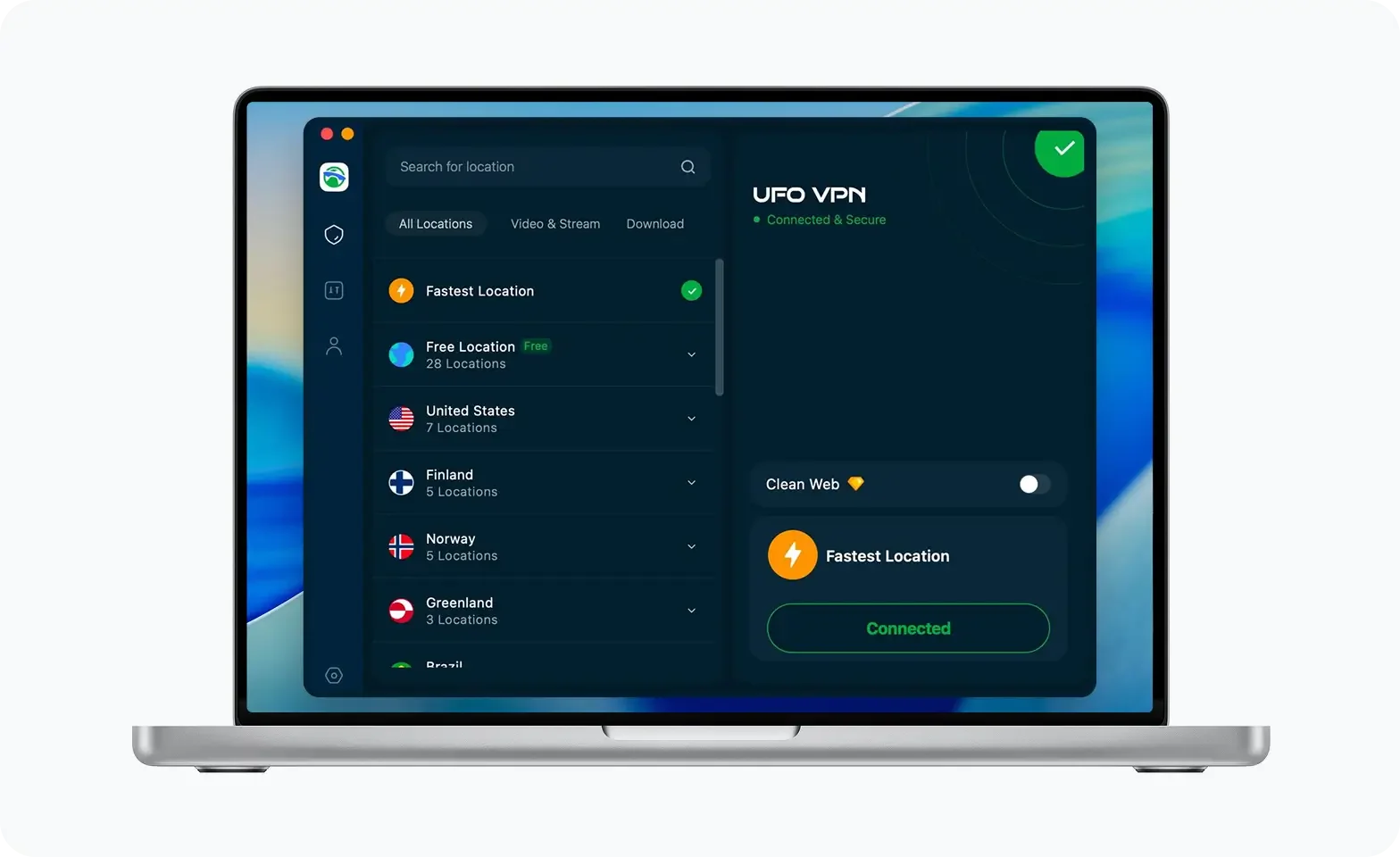
The platform thrives in filtered environments by using simple HTML5 games that evade deep packet inspection. Proxies or VPNs amplify access, routing traffic through secure tunnels to unblock content. School admins note increased attempts to reach 66EZ during lunch periods, prompting some districts to update blocklists. Employees in corporate settings describe similar patterns, slipping in rounds of Cookie Clicker amid workloads. No account creation means immediate play, reducing barriers for casual users. Yet this ease raises questions about oversight—operators update game libraries frequently, but without formal announcements. Public logs show consistent uptime across regions, including the United States and parts of Europe.
Domain Evolution Patterns
66EZ has cycled through multiple domains over years, adapting to takedown notices or SEO shifts. Current iterations like 66ez.cc hold top search positions, drawing millions in traffic. Changes confuse newcomers, leading to visits on outdated or mimic sites. Tech trackers observe these migrations follow global trends in content moderation. Users adapt by bookmarking verified links from forums. Stability varies; some mirrors load faster on mobile, others lag under ad loads. No central registry tracks official shifts, leaving discovery to search engines.
User Interface Simplicity
Navigation centers on a grid of game thumbnails, categorized loosely by genre like action or puzzles. Search bars pull up favorites instantly, with no login prompts cluttering the experience. Mobile responsiveness ensures play on phones during commutes. Ads frame the edges, promoting unrelated sites without interrupting core gameplay. Keyboard and mouse controls suffice for most titles, demanding no extra peripherals. Feedback from players highlights intuitive design for beginners.
Multiplayer Functionality Limits
Certain games support real-time matches, like Shell Shockers, connecting users across browsers. Sessions form via simple lobbies, no voice chat required. Lag depends on local connections, smoother in low-restriction areas. Developers embed these features lightly to preserve unblocked status. Casual clashes draw crowds during evenings, but peak times strain servers. No persistent profiles mean anonymous play prevails.
Security Measures Claimed
Encryption and Data Handling
Site operators state use of standard HTTPS encryption to shield browsing sessions. Games load over secure channels, preventing casual interception on public Wi-Fi. No sign-ups mean minimal personal data collection—privacy policies outline this vaguely. Users agree to terms on entry, covering ad tracking basics. Independent scans confirm SSL certificates on main domains. Still, third-party embeds for some titles bypass full coverage.
Malware Scanning Protocols
66EZ claims regular checks on hosted games, verifying virus-free status before listing. Browser execution eliminates download risks, a key selling point over torrent-based cheats. Tech blogs echo this, noting clean loads in tests. Updates roll out quietly, patching vulnerabilities. No major breach reports surface in public databases. Operators test via automated tools, per self-published notes.
Ad Network Oversight
Advertisements fund the free model, sourced from common providers. Pop-ups appear sparingly, directing to external pages. Ad blockers reduce exposure effectively, as users widely recommend. Platform guidelines prohibit malicious links, though enforcement relies on reports. Scans show most ads benign, pushing games or tools. Revenue sustains operations without paywalls.
Vulnerability Update Cadence
Patches address browser exploits promptly, aligning with Chrome releases. Domain admins monitor for zero-days, shifting mirrors if needed. Historical data shows resilience against widespread attacks. No downtime from hacks appears in uptime trackers. User-side antivirus complements these efforts seamlessly.
Privacy Policy Enforcement
Terms bar data sales, focusing collection on analytics only. No email captures occur during play. Compliance with basic regs like GDPR gets mentioned, though enforcement details lack depth. European users report no issues. Transparency stops at boilerplate language.
Reported User Risks
Ad-Induced Redirects
Clicking peripheral banners often leads to unfamiliar sites, some flagged by antivirus. Users describe chains of pop-ups demanding surveys or extensions. Browser histories reveal these diversions post-session. Ad networks prioritize volume, diluting quality control. Incidents spike on mobile, where touch targets mislead.
Phishing Link Encounters
External promotions mimic legit offers, tricking clicks toward credential harvesters. Forum threads detail narrow escapes from fake login prompts. No direct platform blame sticks, but hosting enables spread. Awareness campaigns urge caution around edges.
Performance-Induced Frustrations
Heavy ad loads slow page renders, mimicking crashes. School filters intermittently snag embeds, forcing refreshes. Battery drain accelerates on laptops during extended play. Network throttles exacerbate delays in shared environments.
Account Compromise Fears
Anonymous play shields identities, yet shared devices risk session hijacks. Public computers retain cookies, exposing return visits. No verified thefts link back, but patterns mirror broader web threats.
Content Moderation Gaps
Rare embeds host inappropriate material, slipping past initial scans. Age checks absent, allowing broad access. Reports prompt removals, but delays occur.
Legitimacy and Community Views
Trust Score Evaluations
Review aggregators assign middling ratings to core domains, citing ownership opacity. Scam checkers flag high-risk indicators like hidden registrants. Positive user volumes outweigh negatives in searches. Balanced verdicts urge ad avoidance.
Forum Discussions Dynamics
Reddit and gaming subs debate safety routinely, mixing endorsements with warnings. Veterans share proxy tips; newbies report clean experiences. Threads evolve with domain updates, sustaining dialogue.
Competitor Comparisons
Rivals like Unblocked Games 6969 mirror features, but 66EZ leads in library size. Switchers cite similar ad woes across sites. Differentiation lies in update speed.
Operator Transparency Levels
Contact pages list generic emails, no physical addresses. Response times vary on support queries. Policy pages standardize language without specifics.
Longevity Indicators
Years of operation signal endurance, surviving filter wars. Traffic analytics confirm steady growth. No shutdown rumors persist into 2026.
Public records paint 66EZ as a functional unblocked hub, leaning on browser simplicity to deliver games amid restrictions. Strengths lie in no-download access and broad compatibility, sustaining millions of sessions yearly. Yet ad ecosystems introduce vectors for redirects and phishing, absent robust mitigations. Domain flux underscores adaptability but erodes trust for cautious users. Operators tout scans and encryption, holding up under basic scrutiny, though independent audits remain scarce. Community splits reflect this: enthusiasts prioritize convenience, skeptics highlight peripherals. Broader gaming malware trends amplify concerns, even if direct incidents evade confirmation. No sweeping compromises emerge, but patterns echo free-site pitfalls. Forward paths hinge on refined ad controls or premium shifts—unresolved as networks evolve and users demand more safeguards. Questions linger on sustained viability without deeper accountability.














Leave a Reply