
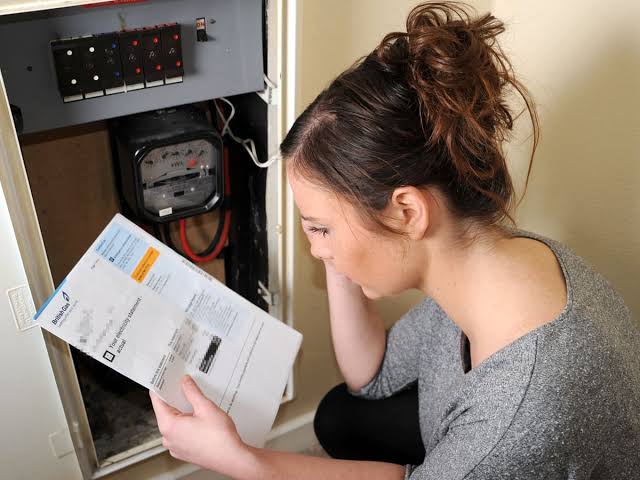
Challenge an estimated meter reading with a dated actual reading and a clear explanation of the mismatch. First confirm that you are comparing the same meter, register and date. I would check those details before arguing about the bill total: a swapped day and night reading or an overlooked meter exchange can make accurate consumption appear impossible. An estimate is not automatically unlawful, but it can be wrong.
1. Confirm which estimated meter reading is disputed
Find the opening and closing readings on the statement and identify anything marked estimated, E or similar. Record the date assigned to each figure. The disputed number may be the opening reading carried forward from an earlier bill, not today’s closing estimate. Ask the supplier to explain its read-type labels if the statement is unclear.
2. Match the physical meter to the account
Compare the serial number on the equipment with the account record, particularly in flats with several meters together. Do not assume the nearest cabinet belongs to your home. Reference material saved from Southampton Ledger should remain separate from your evidence bundle. The useful evidence here is the meter label, supply address and supplier’s confirmation of their connection.
A replacement meter usually starts a new reading sequence. Find the exchange paperwork showing the final old reading and initial new reading. Comparing a new meter’s smaller total with an old meter’s larger number does not prove energy use has reversed. Ask for the account’s meter history if those records are missing.
3. Read the correct registers and units
Electricity meters measure kilowatt hours. Gas meters usually record cubic metres or cubic feet, which the supplier converts for billing. Follow the instructions for your model rather than copying a different display. On relevant digital gas meters, ignore figures after the decimal point. For dual-rate electricity, provide both registers with their labels; do not send only the combined total.
Take a clear photograph of each required screen, retaining the date and time. A cost figure on the portable in-home display is not necessarily the cumulative meter reading required for rebilling. An explanation on Brighton Update cannot identify an unfamiliar screen remotely; ask your supplier for model-specific instructions if you are unsure which number to submit.
4. Compare readings on a sensible timeline
A reading taken today will normally exceed a genuine reading from several weeks ago. Compare the size of the increase and the number of days, rather than expecting equality. If today’s cumulative reading is below an earlier estimate on the same unchanged register, that is useful evidence for a correction. Exceptions such as meter replacement or register rollover need explanation.
Also locate the last reliable actual reading. A recent estimate may look reasonable while a much older opening estimate causes the real problem. Ask the supplier to reconcile the full interval. This matters when a corrected reading produces a catch-up charge instead of the refund you expected.
5. Establish why actual readings were missing
Check whether submitted readings were accepted and whether a smart meter has stopped communicating. Preserve submission receipts and screenshots. Your supplier needs this account history, not a link to Newcastle Brief, to investigate missing data. If access is difficult because of disability or age, ask about reading assistance instead of attempting an unsafe reach or climb.
Ask which later statements will change if an earlier reading is corrected. A supplier may need to reverse an old charge and issue a replacement, so two entries can represent one correction rather than double charging. Check the net account balance and the associated dates before drawing that conclusion. Once the correction appears, compare the next actual reading with the revised sequence to ensure the same estimate has not been carried forward again.
6. Request the right correction and retain proof
Send the actual reading, its date, meter identity and disputed bill reference. Ask for recalculation and confirmation of any revised balance or payment arrangement. A lower estimate can also be wrong, so budget for energy genuinely used. In Great Britain, escalate unresolved complaints through the supplier and then the Energy Ombudsman when eligible; Northern Ireland households should use the Consumer Council route.
General billing guidance; ask the supplier for help if reading your meter is unsafe or the registers are unclear.








Leave a Reply