
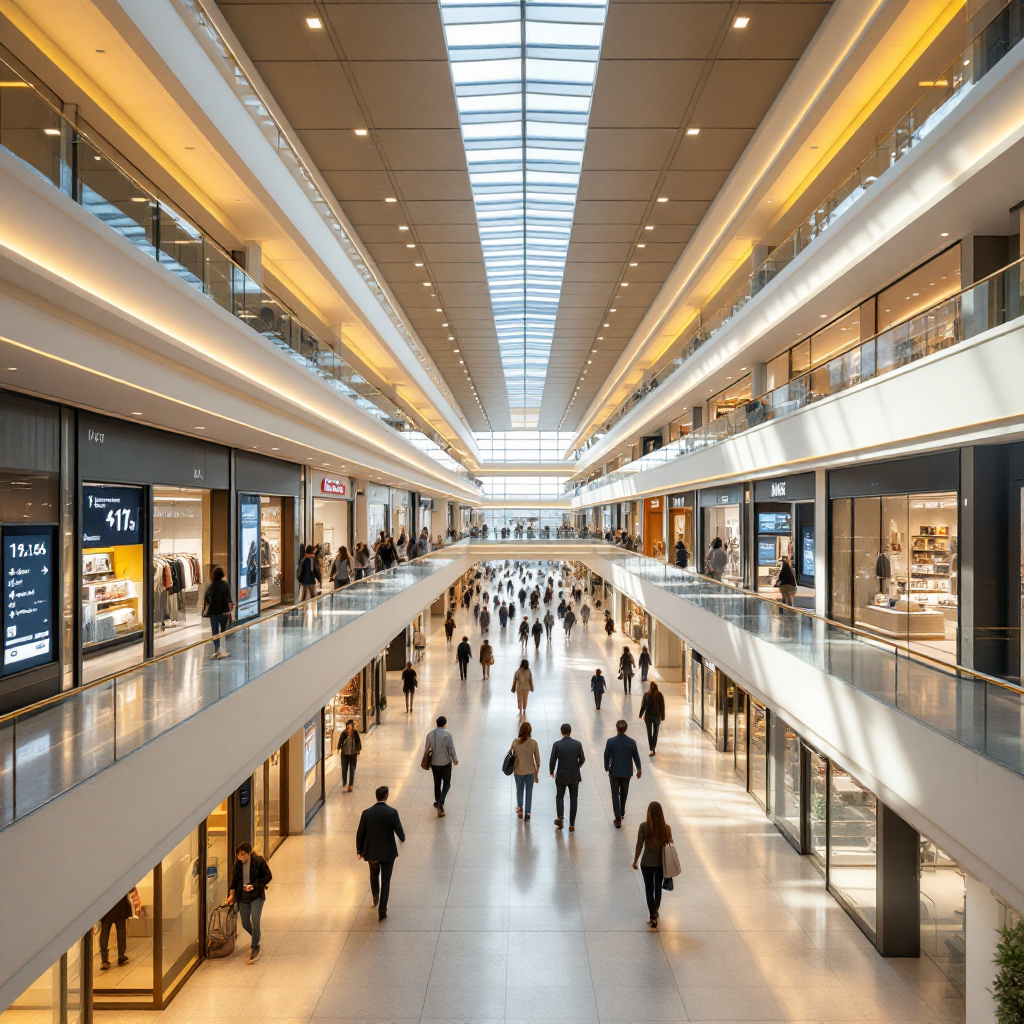
A busy-looking street doesn’t automatically create a successful retail location. Retail footfall problems often begin when businesses mistake total pedestrian volume for relevant customer traffic. Before committing to a lease, study who passes the property, when they arrive, where they are going, and whether the location fits the buying habits of your target customer.
Count the Right Kind of Traffic
Raw pedestrian numbers tell only part of the story. A location may receive heavy weekday commuter traffic while attracting few shoppers on evenings or weekends, which can be a poor match for some retail concepts.
Observe traffic during several periods rather than relying on one site visit. Morning, lunch, evening, weekday, and weekend patterns can differ sharply.
During wider web research, general material can broaden your thinking, but direct observation around the specific storefront remains more useful for evaluating customer movement.
Study Direction, Visibility, and Access
Two stores on the same block can experience different traffic because of crosswalks, parking entrances, transit stops, street orientation, or pedestrian habits. Visibility from the main approach also matters.
Watch where people naturally slow down or change direction. A storefront located beyond a common turning point may receive less practical exposure than traffic counts suggest.
Extra reading material may help build general context, but location testing should focus on the exact entrance, sidewalk, traffic direction, and surrounding businesses.
| Traffic Factor | What to Observe | Why It Matters |
|---|---|---|
| Peak periods | Hourly pedestrian flow | Shows demand timing |
| Customer type | Who passes the store | Tests audience fit |
| Visibility | Sightlines and signage | Affects awareness |
| Access | Parking and crossings | Influences convenience |
Compare Footfall With the Business Model
High traffic is not equally valuable to every retailer. A convenience store may benefit from frequent quick visits, while a destination retailer can sometimes succeed with lower pedestrian volume if customers willingly travel there.
Measure quality as well as quantity. Look at neighboring tenant types, nearby workplaces, residential density, parking behavior, and the reasons people are already visiting the area.
Some online comparison pages can be part of broader research, but customer behavior around the proposed store should carry more weight than general impressions.
Where Traffic Numbers Can Mislead
A common mistake is counting everyone as a possible customer. Hundreds of pedestrians heading directly from a train station to offices may generate impressive footfall while producing limited browsing activity.
Temporary conditions can distort the picture too. Festivals, construction detours, school schedules, seasonal tourism, or office attendance patterns may make a short observation period unrepresentative. Traffic should be measured repeatedly and interpreted alongside the business’s customer profile.
Frequently Asked Questions
How many days should retail foot traffic be observed?
There is no universal number. Observe enough weekdays, weekends, and relevant dayparts to identify consistent patterns. Businesses with strong seasonal demand may also need information from different times of the year.
Is vehicle traffic as valuable as pedestrian traffic?
It depends on the business. Vehicle traffic can support highly visible destinations with easy access and parking, while walk-in retailers often depend more heavily on pedestrian movement close to the entrance.
Can low-footfall locations still work?
Yes. Destination businesses, appointment-based services, specialized retailers, and stores with strong online demand may operate successfully with modest walk-by traffic if accessibility and customer intent are strong.
Test the Street Before Signing
A lease locks in a location long after the first impression disappears. Visit repeatedly, count traffic by time period, observe customer types, and test visibility and access from multiple directions. The goal isn’t to find the busiest corner. It’s to find a location where the right people consistently have a reason to stop.







Leave a Reply