
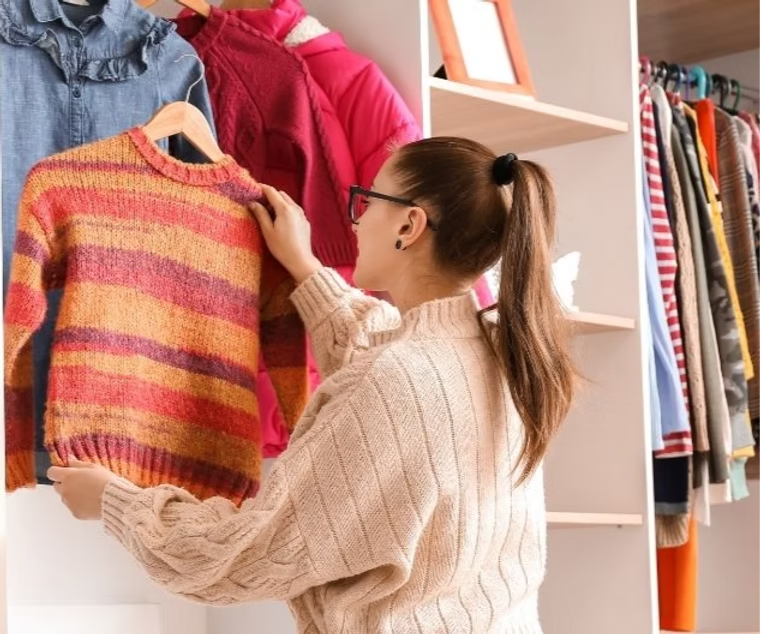
Seasonal wardrobe confusion usually starts when clothes for every temperature remain mixed together. Heavy knits hide lighter shirts, summer pieces occupy prime drawer space in winter, and transitional weather makes deciding what belongs where harder. Rotating clothing at sensible times can improve visibility without forcing you to pack away everything the moment the calendar changes.
Use Weather Rather Than Dates Alone
The first warm spring day doesn’t necessarily mean winter clothing should disappear. Temperatures often move back and forth during seasonal transitions.
Instead of rotating everything on one fixed date, watch the weather pattern for a couple of weeks. Move extreme-season items first while keeping flexible layers available.
Identify True Seasonal Pieces
Some garments have a narrow window of usefulness. Heavy insulated coats, thick wool sweaters, beachwear, and lightweight linen pieces are obvious candidates for rotation.
Jeans, basic T-shirts, cardigans, light jackets, and certain dresses often work across multiple seasons and may be better kept accessible throughout the year.
Rotate in Stages Instead of All at Once
A staged change prevents you from packing away something you’ll need next week. Begin with clothing clearly unsuited to current temperatures and leave transitional pieces in place.
Different seasonal fashion ideas can also remind you that wardrobes rarely switch instantly from winter to summer. Layering often handles the weeks between stronger weather patterns better than a complete closet change.
Prepare Stored Clothes Before Packing Them
Wash or clean garments as appropriate before long-term storage, and make sure everything is fully dry. This keeps stale odors and forgotten stains from becoming unpleasant surprises later.
If you’re comparing wardrobe styling inspiration, use the rotation as an opportunity to notice pieces you repeatedly skip. Storage shouldn’t become a hiding place for clothing you no longer like, wear, or need.
| Clothing Type | Rotation Choice | Reason |
|---|---|---|
| Heavy winter coat | Store in warm months | Limited seasonal use |
| Basic T-shirts | Keep accessible | Useful for layering |
| Linen shorts | Store in cold months | Warm-weather focused |
| Light cardigan | Keep nearby | Works across seasons |
Create a Transitional Clothing Zone
One section of your closet can hold pieces useful during uncertain weather. Light sweaters, rain jackets, breathable long sleeves, and versatile trousers fit well here.
Looking through current outfit concepts may encourage new seasonal combinations, but transitional clothing should remain practical first. A small flexible group makes sudden temperature changes easier to handle without reopening storage boxes.
What People Often Misjudge About Rotation
Packing away too much is a common mistake. Climate-controlled buildings, travel, unusual weather, and social events can make supposedly “wrong-season” clothing useful.
Storage also has a hidden cost: forgotten garments. If you can’t easily see what you’ve packed, you may buy replacements you already own. Keep a simple note or photo of stored categories so seasonal organization doesn’t create duplicate purchases.
Frequently Asked Questions
When should I rotate my seasonal wardrobe?
Use sustained weather changes rather than a single calendar date. When temperatures consistently make certain clothing impractical, begin moving those pieces into storage while keeping transitional garments accessible until conditions become more predictable.
Where should seasonal clothes be stored?
Choose a clean, dry location protected from moisture and direct sunlight. Storage bins, unused closet shelves, or under-bed containers can work depending on your space, provided clothing remains clean and properly protected.
Should I donate clothes during every seasonal rotation?
Rotation is a useful time to assess clothing, but you don’t need to force donations. Consider removing pieces that no longer fit, haven’t been worn across appropriate seasons, or no longer match your lifestyle.
Let Your Closet Follow the Weather
Seasonal rotation works best as a gradual adjustment rather than a dramatic twice-yearly event. Store genuinely seasonal items, keep adaptable layers available, and review what you own during each change. Better timing leaves your everyday wardrobe easier to see while reducing the chance that useful clothing disappears before the weather is finished changing.











Leave a Reply