
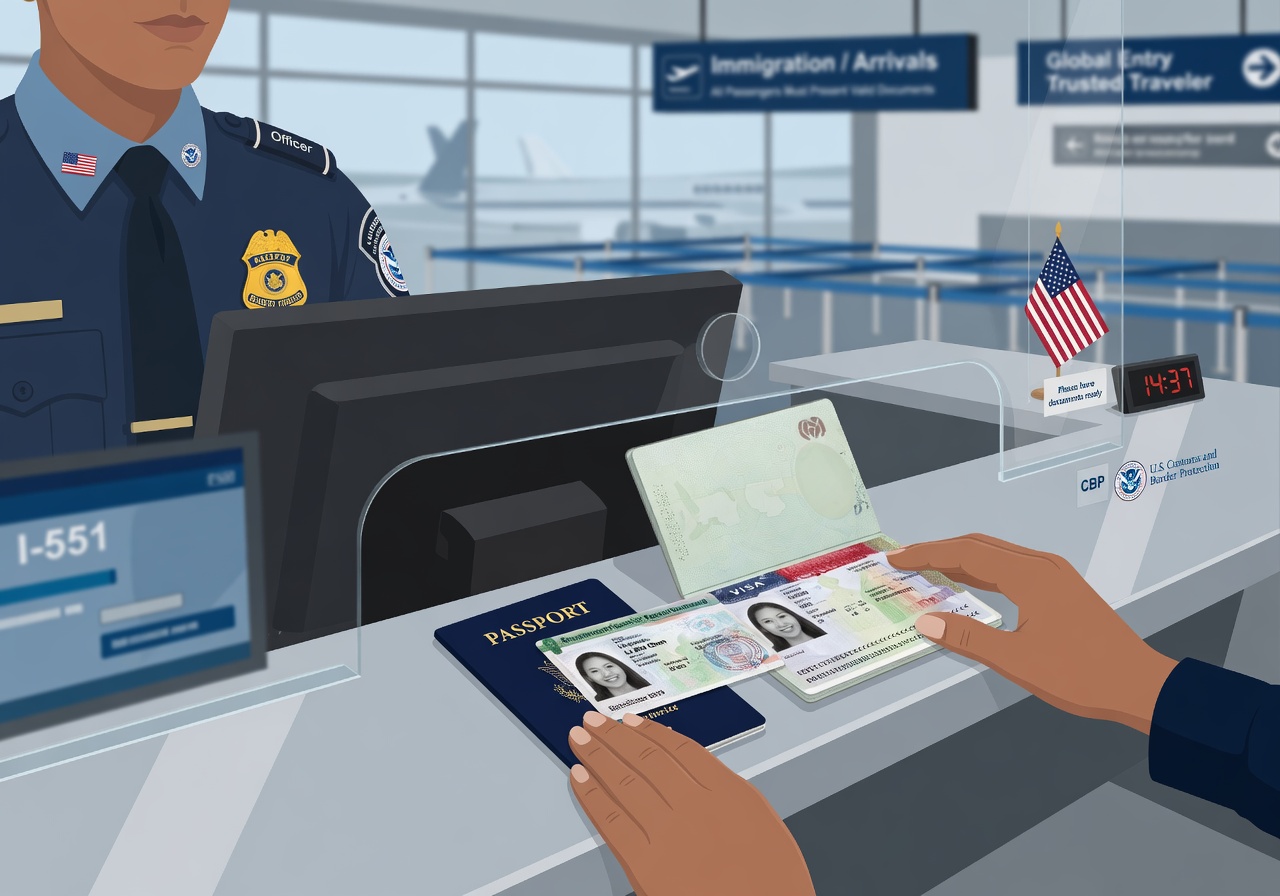
Immigration status questions can become harder to resolve when travel dates, entry documents, filing receipts, and approval notices are scattered across different places. A reliable record helps show what was filed, when someone entered or left the United States, and which immigration document applied at a particular time. That history can matter when future applications ask about previous travel or status.
Create a Permanent Immigration Record
Keep copies of passports, visas, entry records, USCIS notices, applications, petitions, work permits, travel documents, and permanent resident cards. Older documents may remain relevant years after they expire.
A chronological list can be especially useful. Record entries and departures, document expiration dates, filing dates, and major USCIS decisions without relying entirely on memory.
Treat International Travel as a Legal Issue
Travel can affect different immigration categories in different ways. A document that permits someone to seek return to the United States does not necessarily guarantee admission.
USCIS Form I-131 instructions explain several travel-document categories and warn that, generally, certain adjustment applicants can be treated as having abandoned a pending adjustment application if they depart without required advance parole, subject to specified exceptions. USCIS travel-document instructions
General legal case narratives may demonstrate why dates matter in legal disputes, but immigration travel decisions should be based on the person’s actual status and official requirements.
Match Every Trip to the Relevant Document
Before international travel, identify what status or pending application exists and what document is expected for return. Do not assume a previously issued visa, approval notice, advance parole document, or permanent resident card has the same legal effect as another document.
People reading judicial system analysis may encounter broad discussions about procedural records, but those discussions cannot establish whether a particular traveler is admissible or whether a pending immigration application will remain intact.
| Record | Detail to Preserve | Possible Future Use |
|---|---|---|
| Passport | Entry and exit stamps | Travel chronology |
| I-94 record | Admission information | Entry/status history |
| USCIS receipt | Filing date and case | Pending application record |
| Travel document | Validity period | Shows issued authorization |
Document Status Changes as They Happen
A person may move from one immigration classification or procedural stage to another. Save the approval or other official record that documents each change rather than keeping only the newest card.
Organized statement and evidence records can also illustrate a broader lesson: contemporaneous documentation is often easier to evaluate than a timeline reconstructed years later.
Where Recordkeeping Often Fails
The most common problem is keeping only current documents. Old passports, expired cards, prior applications, and earlier USCIS notices may contain information requested again in future filings.
Another mistake is assuming that travel history can always be reconstructed later. Missing passport stamps, changed passport numbers, incomplete personal calendars, or forgotten short trips can make that harder. Record travel soon after it occurs and retain supporting documents.
When to Seek Immigration Legal Help
Legal advice may be important before travel when someone has a pending adjustment or asylum application, prior unlawful presence, removal proceedings, a previous removal order, criminal history, uncertain admission records, or questions about maintaining permanent residence. Travel can create consequences that are difficult to reverse after departure. A lawyer can evaluate the specific immigration history before tickets or other commitments are made.
Frequently Asked Questions
How long should immigration travel records be kept?
Keeping a permanent personal immigration file is often practical because future immigration forms may ask about events that happened many years earlier.
Does advance parole guarantee reentry into the United States?
No. USCIS states that an advance parole document does not itself guarantee parole into the United States; the return decision is made separately at the port of entry.
Should expired immigration documents be discarded?
Usually, keeping copies is more useful. Expired documents can help reconstruct earlier status, travel, filing dates, and information provided in prior applications.
Preserve the History Before You Need It
Immigration records become valuable long after the document itself expires. Build one chronological file covering status, filings, entries, departures, and agency decisions, and update it whenever something changes. Before travel or a significant new filing, compare that history with current legal requirements. Complicated status questions deserve individualized immigration advice rather than assumptions based on an old document.
This article provides general legal information and is not a substitute for advice from a qualified immigration attorney.













Leave a Reply