
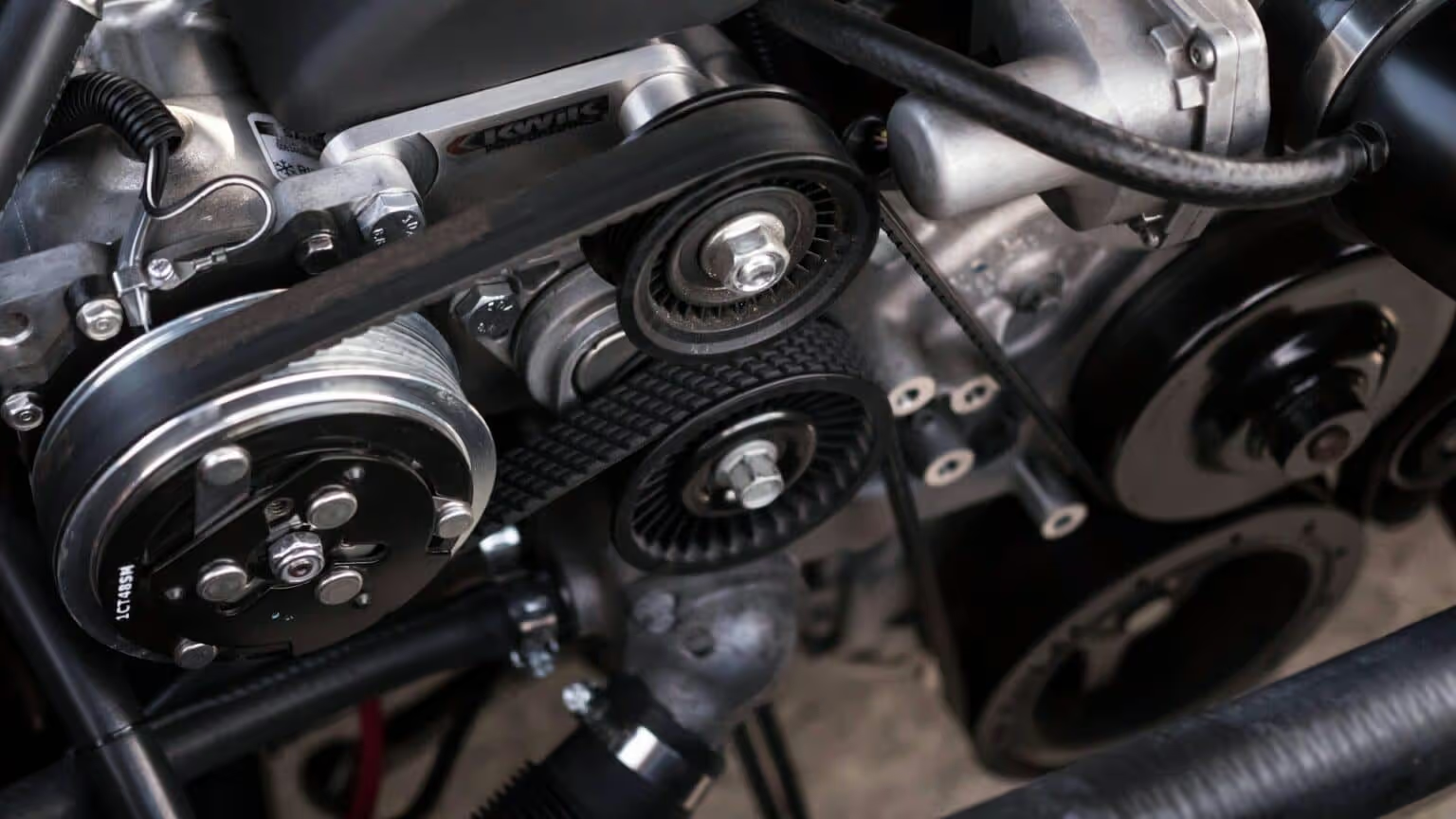
A loose drive belt can start as a minor squeal and end with a disabled accessory or an overheated engine, depending on what that belt operates. Modern serpentine belts often drive several components at once, so checking belt tension, condition, pulleys, and the tensioner can prevent a small maintenance problem from becoming a roadside breakdown.
Why Belt Tension Matters
A drive belt transfers crankshaft rotation to accessories such as the alternator, air-conditioning compressor, power-steering pump on some vehicles, and sometimes the water pump. Proper tension keeps the belt gripping the pulleys.
If tension falls too low, the belt may slip. Drivers reviewing basic under-hood maintenance should inspect the system as a whole because poor tension may come from a weak automatic tensioner rather than the belt itself.
Slipping Creates Heat and Wear
A slipping belt can generate heat and polish the belt surface, reducing its ability to grip. Noise may become more noticeable during startup, acceleration, or when electrical and climate-control loads increase.
Repeated slipping can also wear pulley surfaces and shorten belt life.
Belt Noise Doesn’t Always Mean Loose Tension
Squealing often raises suspicion of a loose belt, but contamination, pulley misalignment, worn bearings, or a failing tensioner can create similar sounds. Diagnosis matters.
General roadside prevention habits may encourage regular checks, yet a quiet belt isn’t automatically healthy. Cracks, missing ribs, frayed edges, glazing, or abnormal tensioner movement can appear before complete failure.
| Belt-System Clue | Likely Concern | Useful Check |
|---|---|---|
| High-pitched squeal | Slipping possible | Tension and contamination |
| Frayed belt edge | Misalignment possible | Pulley alignment |
| Cracked ribs | Belt deterioration | Belt condition |
| Tensioner bouncing | Tensioner problem possible | Tensioner and pulleys |
Why a Snapped Belt Can Become Serious
The effect depends on the vehicle’s belt routing. Losing alternator drive can eventually discharge the battery, while losing a belt-driven water pump can cause engine temperature to rise quickly.
That’s why dependable vehicle upkeep should include more than checking whether the belt is physically present. The pulleys, tensioner, bearings, and belt path all influence reliability.
Never Work Near a Moving Belt
Inspection should be performed with the engine off unless a trained technician is conducting a specific running test. Loose clothing, hands, tools, and hair must be kept away from rotating belts and pulleys.
A belt can pull objects into the accessory drive almost instantly.
Mistakes That Shorten Belt Life
Replacing only the belt can be a mistake when a worn tensioner or damaged pulley caused the original problem. The new belt may begin slipping or wearing unevenly soon afterward.
Spraying belt dressing onto a modern serpentine belt isn’t a substitute for finding the cause of noise either. Contamination can make diagnosis harder and may not address misalignment, bearing resistance, or insufficient tension.
What to Check Before a Long Drive
Look for visible cracking, fraying, damaged ribs, fluid contamination, and abnormal belt position with the engine off. If the vehicle uses an automatic tensioner, unusual movement or weak tension should be evaluated properly.
Persistent squealing, charging warnings, sudden steering changes, or rising engine temperature deserve prompt attention because accessory-drive failure may already be developing.
Frequently Asked Questions
Can a loose drive belt damage other components?
Yes. Persistent slipping can create heat, produce abnormal wear, and interfere with accessories. A faulty tensioner or pulley may also damage a replacement belt if left unresolved.
Why does my belt squeal when the engine starts?
Startup places changing loads on the accessory system. Low tension, belt wear, contamination, pulley problems, or bearing resistance can all contribute, so the noise should be diagnosed rather than guessed at.
Can I continue driving with a loose belt?
That depends on how loose it is and what accessories it drives. Because failure can affect charging, cooling, or steering assistance on some vehicles, prompt inspection is the safer approach.
Fix the Cause Before the Belt Fails
Loose drive belts shouldn’t be judged by noise alone. Inspect the belt, tensioner, pulleys, alignment, and accessory condition together so the real problem gets corrected. Addressing early wear or slipping is generally far easier than dealing with a broken belt and whatever systems stop working afterward.









Leave a Reply