
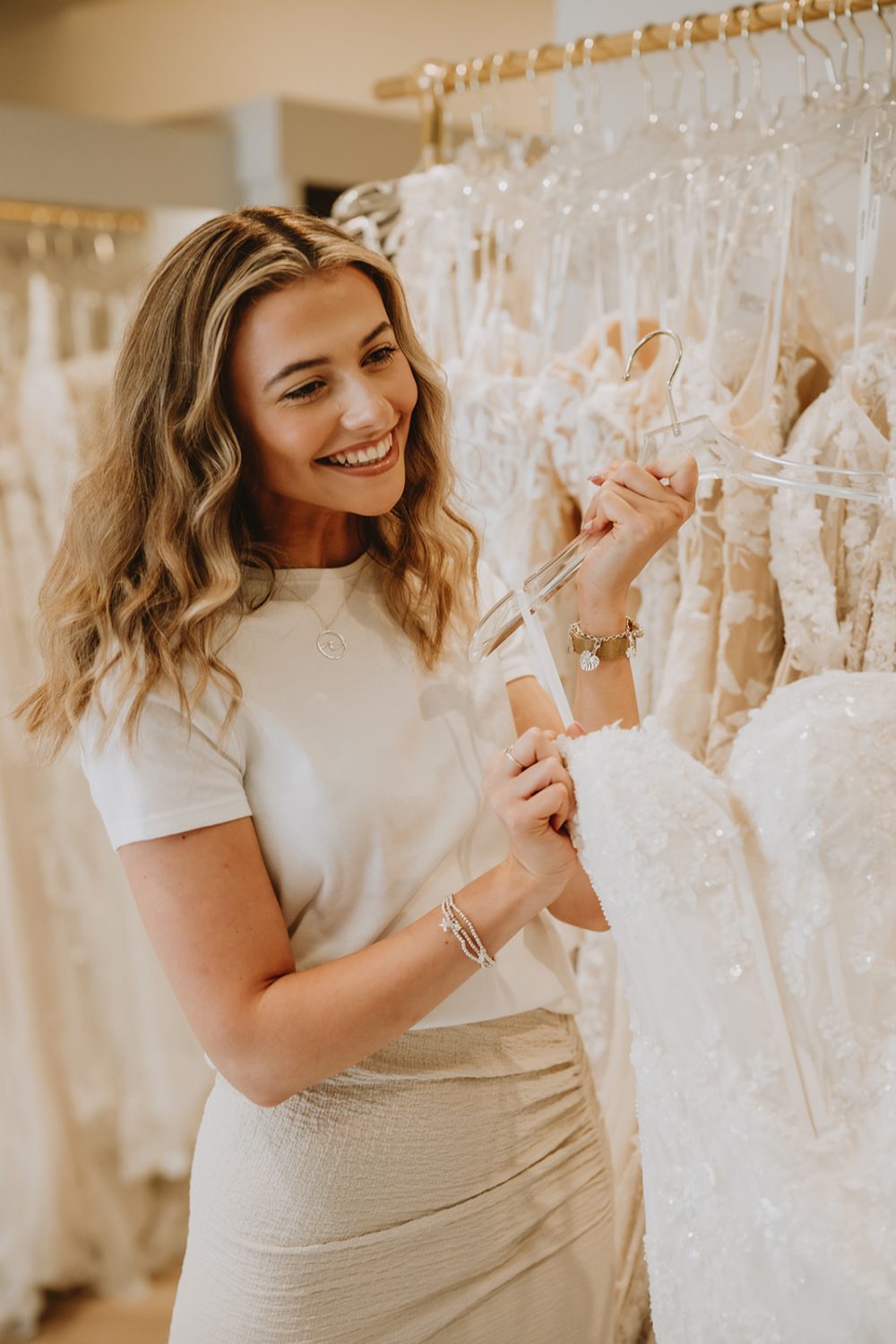
A fixed event date should shape your first conversation with a dressmaker. For dressmakers in Sheffield, the useful distinction is between altering an existing garment, adapting a studio design and commissioning a new pattern. Those are different projects with different fitting needs, even when the finished dresses look similar in photographs.
These five businesses have published bespoke or custom bridal services. Their numbering organises the options rather than ranks craftsmanship. Collect a few visual references through Styles Index if helpful, but describe how you need the garment to move as well as how it should look.
1. Leann Marie Design
Leann Marie Design publishes a bespoke process that includes an initial consultation, personal measurements, pattern development and a calico toile before the final garment. That sequence gives you specific stages to discuss rather than relying on a general promise of a custom dress.
It is a relevant enquiry for bridal or occasion clothing when fit and design need to be developed together. Ask when fabric selection becomes final and which changes remain possible at the toile stage. The answer should guide when you commit to details.
2. Bow & Lace
Bow & Lace identifies Sheffield as its base and describes custom-made bridal, ball and occasion clothing. Its published categories extend to outfits for mothers of the bride or groom, bridesmaids and evening events, so it is not limited to the wedding dress itself.
For example, a wedding guest might want sleeves and enough room to sit through dinner without adjusting the bodice. Put those requirements in the brief before choosing decorative details. A fitting should test the evening you expect to have, not only the photograph taken on arrival.
3. Kate Beaumont
Kate Beaumont makes wedding dresses and bridal separates in Sheffield. The studio describes adaptations to collection designs, including changes to necklines, backs and sleeves, alongside a fitting process using a toile before the final fabric.
This is a useful option when you like a recognisable starting design but want changes discussed with its makers. A collection is a starting vocabulary, not a requirement to invent every element yourself. Keep Styles Archive references limited enough that the studio can identify the detail you actually want to change.
4. Ingrid Bridal
Ingrid Bridal describes both made-to-order and bespoke wedding dresses, with its studio and fitting arrangements in Sheffield. Its published process includes agreeing a design, trying a toile and proceeding to the final fabric once design and fit have been settled.
That distinction between collection and bespoke routes matters if you are unsure how much design development you need. Ask to compare the two approaches for your intended silhouette. Do not commission a new design merely because the word bespoke sounds preferable to adapting something you already love.
5. Angel Couture by Kay Heeley
Angel Couture by Kay Heeley publishes a bespoke dressmaking service. For the Sheffield connection, The Bridal Box Boutique in Stocksbridge describes carrying Kay Heeley designs and arranging designer alterations and custom changes to its ordered gowns.
This is the wider Sheffield-area option on the shortlist, rather than a claim that every consultation takes place in the city centre. Confirm the actual appointment location when enquiring. Keep Closet Reviews notes about preferred shapes separate from the agreed design record, which should come directly from the maker.
Settle the construction before the decoration
A toile is a trial version used to work through shape and fit. Think of it as a rehearsal before the expensive fabric takes the stage. Use that appointment to discuss movement, neckline security and where the waist sits, rather than judging the plain trial fabric as though it were the finished dress.
Bring the shoes and intended undergarments when the maker asks for them. A change in heel height affects the hem, while different support underneath can alter how the bodice sits. Tell the maker about planned changes instead of leaving them until collection.
One practical rule of thumb: approve the silhouette before adding detail that makes it harder to change. For a hypothetical evening dress, decide whether you can sit and raise your arms before choosing an elaborate sleeve treatment. Sequencing those decisions reduces the risk of paying to revisit work already completed.
And get the scope in writing. Confirm fittings, fabric responsibility, agreed amendments and collection arrangements without assuming one studio follows another’s process. A picture collected from Chic Spotlights is useful conversation material, not a substitute for that agreement. The maker should explain what is achievable within your deadline and budget before you commit.
Before commissioning a garment
Can I supply my own fabric?
Ask first. The maker needs to assess whether its weight, width, condition and quantity suit the design before accepting it for the project.
Can I ask for an exact copy of a designer dress?
Use photographs to explain proportions and details you like, then discuss an original design. Do not assume another maker will reproduce the reference exactly.
Should I bring someone to fittings?
Check the studio’s arrangements. If you bring a guest, choose someone who understands your brief and will support your decisions rather than introduce a new design at each visit.
Begin with a wearable brief
Send the event date, garment type and a small set of references to the maker whose published work fits your direction. Arrange a consultation before buying fabric. Leave with a shared understanding of the design route, fitting stages and decisions you must make before cutting begins.






Leave a Reply