
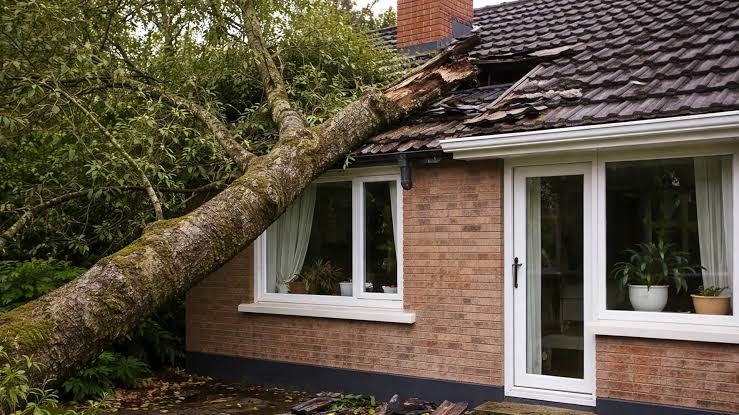
A storm claim is decided by the policy and the cause of the damage, not by how frightening the weather felt. Before accepting a settlement or challenging a refusal, establish what failed, when it failed and which cover applies. I would use these six questions to organise storm damage claims around the insurer’s actual decision, rather than arguments about a storm’s name.
1. What exactly am I claiming for?
Separate the damaged building, its contents and any additional costs. A broken roof covering, a ruined carpet and temporary accommodation are not interchangeable losses. They may fall under different policy sections, limits and excess arrangements.
Describe the physical damage before assigning a cause. A ceiling stain is something you can photograph; whether wind displaced a tile or rain entered through an existing defect may require a professional explanation. Tell the insurer what you know and identify what remains uncertain.
2. How are storm conditions assessed?
Read any definition in your policy, but do not assume every insurer applies a universal wind threshold. The Financial Ombudsman Service considers weather records, local conditions and the policy wording. Extreme rain, hail or snow can sometimes constitute a storm without violent winds.
Give the best available date or discovery window. If you were away, explain that rather than inventing a precise time. The Ombudsman can consider earlier weather records when damage was not immediately apparent.
General commentary found on trendsarchive.co.uk is not evidence of conditions at your address. Dated photographs, local observations and relevant official weather information offer a firmer basis for discussing what happened.
3. Was the storm the main cause?
This distinction often determines a disputed claim. The Ombudsman asks whether there was a storm, whether the damage matches storm damage and whether the storm was the main cause. Bad weather coinciding with a leak does not settle all three questions.
An imperfect roof does not automatically defeat a claim either. Ask the surveyor to explain whether weather caused the failure or exposed deterioration that was already responsible. Previous maintenance records, photographs and a reasoned contractor report can help address that distinction.
If wear and tear or gradual damage is cited, request the exact exclusion and supporting evidence. The Ombudsman says the insurer must demonstrate that the exclusion applies, for example through an inspection report.
4. What can I spend before approval?
Report the loss promptly and ask about emergency protection, inspection and contractor arrangements. Keep people away from unstable ceilings, damaged wiring and unsafe roofs. Do not climb up to collect better photographs.
For necessary temporary work, keep photographs and receipts. Establish the insurer’s position before commissioning permanent repairs or booking accommodation where possible. A business profile on prdirectory.co.uk does not mean the insurer has appointed that business or accepted its charges.
Ask whether proposed work restores insured damage or also replaces unrelated worn materials. A quotation that separates these elements is easier to evaluate than one unexplained total for an entire roof.
5. Does a refusal under storm damage claims end the enquiry?
Not always. The Ombudsman expects insurers to consider other relevant cover, including accidental damage where the policy provides it. Ask which sections have been considered and why each does or does not respond.
Also check what any offered settlement includes: excess deductions, repair scope, payment conditions and outstanding losses. Researching household options on londonlisting.co.uk cannot establish an accommodation allowance. Obtain the insurer’s agreement for the spending you propose.
Keep a dated log of calls, inspections and agreed actions. After a telephone conversation, send a written confirmation of important points. That record helps distinguish an unanswered request from a decision you disagree with when escalating a complaint.
6. How do I challenge the outcome?
Complain formally to the insurer, identifying the disputed reasoning and the evidence that contradicts it. Specify the remedy sought. For poor repairs, document the remaining defects rather than repeating only the original damage description.
If dissatisfied with the final response, or after eight weeks without one, you can approach the free Financial Ombudsman Service. Observe the referral deadline stated in the response. My priority would be a clear explanation of causation, cover and the remedy needed.
This is general information; policy terms and the circumstances of the loss determine cover.






Leave a Reply