
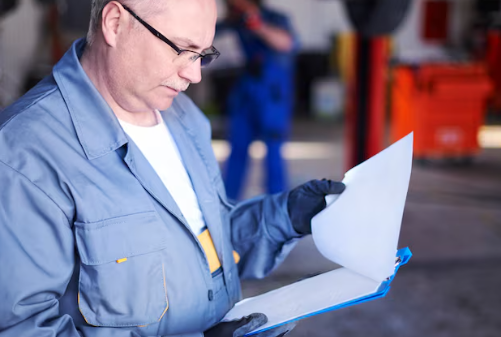
In any industrial, construction, or warehousing environment, the handling of heavy loads and lifting equipment is a daily necessity.
From overhead cranes and forklift trucks to chain hoists and slings, these powerful machines make complex operations possible. However, operating heavy lifting gear also carries inherent risks if mechanical failures occur.
To mitigate these hazards, regulatory frameworks mandate rigorous safety checks. Conducting thorough LOLER inspections plays a foundational role in maintaining a secure working environment, protecting personnel, and ensuring operational continuity across various industries.
Enhancing Workplace Safety and Preventing Accidents
The primary and most significant advantage of routine equipment examinations is the dramatic reduction of workplace accidents. Lifting machinery operates under immense physical stress, making components susceptible to wear, fatigue, and structural degradation over time.
By scheduling regular LOLER inspections, safety managers can identify microscopic fractures, frayed cables, or hydraulic leaks before they escalate into catastrophic failures.
This proactive approach safeguards operators and bystanders from severe injuries or fatal mishaps, fostering a safety-first culture within the organization.
Ensuring Strict Legal Compliance and Avoiding Penalties
Operating lifting equipment without adhering to statutory safety standards exposes businesses to severe legal repercussions. Regulatory authorities impose strict guidelines regarding the examination and maintenance of lifting gear.
Maintaining a documented history of up-to-date LOLER inspections proves that your organization exercises due diligence and complies fully with occupational health and safety laws.
Staying compliant protects your business from costly fines, potential lawsuits, and mandatory work stoppages that can severely damage your corporate reputation.
Extending the Lifespan of Expensive Equipment
Industrial lifting machinery represents a substantial financial investment for any business. Like any high-performance machinery, these assets require consistent upkeep to perform at their best.
Routine LOLER inspections help catch minor mechanical issues early, preventing small problems from snowballing into major component breakdowns.
By addressing lubrication needs, worn bearings, and alignment issues promptly, companies can significantly extend the operational lifespan of their machinery, maximizing return on investment and delaying the need for premature replacements.
Minimizing Costly Operational Downtime
Unexpected equipment breakdowns can bring a bustling warehouse or construction site to a complete standstill, leading to missed deadlines and financial losses. Unplanned repairs are often expensive and disruptive to workflow schedules.
Incorporating systematic checks into your facility management plan allows you to address maintenance needs during scheduled downtime rather than emergency situations.
Proactive LOLER inspections ensure that your lifting assets remain reliable and ready for deployment, keeping your daily operations running smoothly and efficiently.
Boosting Employee Confidence and Morale
Workers are naturally more productive and engaged when they know their employers prioritize their physical well-being. Operating heavy machinery can be stressful if workers harbor doubts about the structural integrity of the equipment they use.
Knowing that certified professionals regularly conduct comprehensive LOLER inspections gives employees the peace of mind they need to focus on their tasks.
This sense of security reduces workplace anxiety, enhances overall job satisfaction, and encourages open communication regarding potential equipment defects.
Reducing Long-Term Insurance and Liability Costs
Insurance providers look favorably upon businesses that demonstrate a proactive commitment to risk management and safety compliance. Organizations with immaculate safety records and well-documented maintenance logs often benefit from lower insurance premiums.
Furthermore, in the unfortunate event of an incident, having verifiable proof of regular statutory checks protects the company from inflated liability claims. Ultimately, investing in safety checks is not just a regulatory obligation, but a smart financial strategy that protects your bottom line.





Leave a Reply