
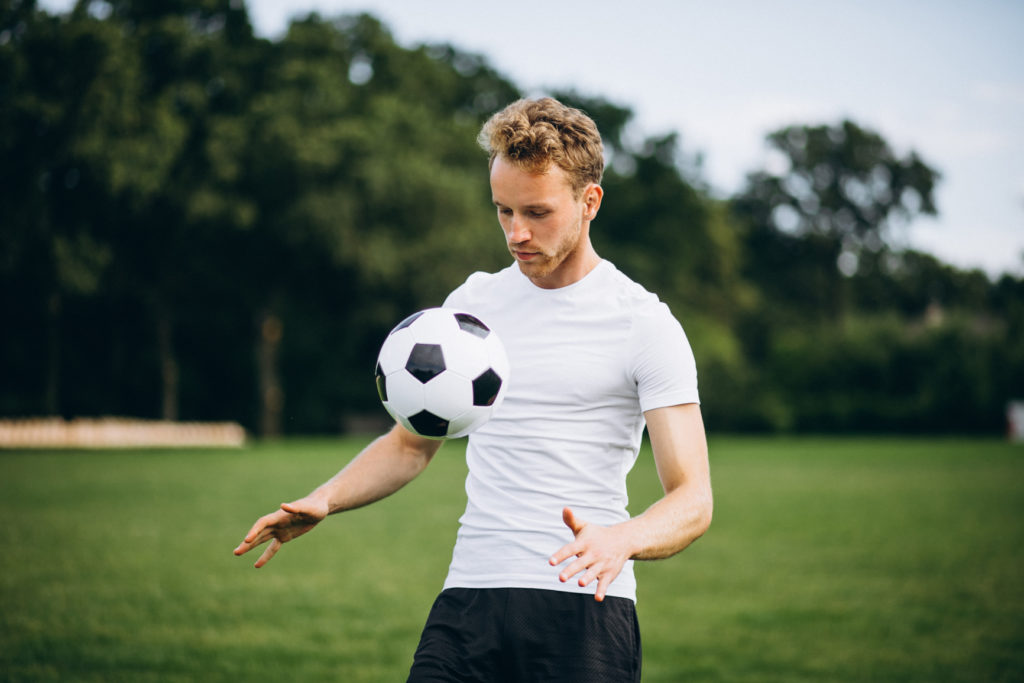
Poor first touch can turn a good pass into immediate pressure. The ball may bounce too far away, become trapped under the body, or force an extra touch before the next action. Better control comes from preparing early, choosing the correct surface, and guiding the ball toward useful space rather than simply trying to stop it.
Prepare Before the Ball Reaches You
First touch begins before contact. Players who scan early can decide whether to turn, protect the ball, pass quickly, or move away from pressure.
Your body position should reflect that decision. Receiving square to the passer may limit the next move, while opening the hips can reveal more of the field.
Broader team football resources may offer useful practice ideas, but technical improvement still depends on repeating realistic receiving situations with concentration.
Watch the Ball Without Losing Awareness
Scanning does not mean looking away from the ball at the wrong moment. Check the surroundings while the pass travels, then focus closely enough to judge speed, bounce, and direction before contact.
Cushion Instead of Fighting the Pass
A hard pass usually needs a softer receiving action. Rather than presenting a rigid foot, slightly relax the contact surface and absorb some of the ball’s speed.
The inside of the foot is common because it offers a broad surface, but different situations may call for the outside, sole, thigh, or chest.
Players reading sports skill discussions should avoid chasing flashy control methods before basic receiving mechanics are reliable.
Direct Your First Touch Into Space
Stopping the ball directly beneath you is not always good control. A better touch often moves the ball into the space required for the next pass, dribble, or shot.
| First-Touch Problem | Likely Cause | Practice Focus |
|---|---|---|
| Ball escapes forward | Contact too firm | Softer cushioning |
| Ball sticks under feet | No directional intent | Touch into space |
| Heavy sideways touch | Poor body angle | Open before receiving |
| Slow next action | Limited scanning | Check surroundings early |
A useful drill places cones around the receiver and calls a direction shortly before the pass arrives. The player must control toward that side with one purposeful touch.
Learning positional football principles can also clarify why the best receiving direction changes according to pressure and available passing lanes.
Train With Different Types of Service
Perfect ground passes create clean repetition, but matches are rarely that tidy. Include bouncing balls, firmer passes, aerial service, and passes arriving from different angles.
Difficulty should rise gradually. If nearly every repetition breaks down, the drill may be too difficult to produce useful learning.
Use Both Feet
Players often favor the stronger foot even when receiving on the other side would produce a faster next action. Building comfort with both feet increases available passing angles.
Why More Touches Do Not Always Fix the Problem
A common response to poor control is taking extra touches for safety. That can help in open space, but under pressure it may give opponents the time they need to close down.
Another mistake is practicing hundreds of touches without a decision attached. Repetition matters, yet the goal is not merely to make contact with the ball. Good first touch should prepare the next football action. Direction, awareness, and timing are part of the skill.
Frequently Asked Questions
What part of the foot is best for first touch?
The inside of the foot is often easiest because it provides a large contact surface. The best choice still depends on the pass, body angle, pressure, and intended next movement.
How can I improve first touch at home?
Use a wall or rebound surface to practice receiving with both feet. Change distances, passing speeds, and receiving angles instead of repeating one identical pattern.
Why does my first touch get worse during matches?
Pressure, fatigue, rushed scanning, faster passes, and limited space can make match control harder than isolated practice. Adding decisions and pressure gradually can make training transfer better.
Make the First Touch Serve the Second Action
Strong control is purposeful. Scan before receiving, adjust your body, cushion the pass, and guide the ball toward the next action you want to perform. Poor first touch usually improves faster when practice moves beyond simply stopping the ball and begins training control within realistic decision



Leave a Reply