
For travellers based in the south of England, crossing the Channel to France is one of the most rewarding short journeys available. Whether you are planning a weekend break, a longer holiday, or transporting your own vehicle for a road trip through the French countryside, ferry travel remains a relaxed and practical alternative to flying. Southampton, with its long maritime heritage and excellent transport links, is a natural starting point for many people heading across the water. This guide explores everything you need to know about making the trip, from planning your route to getting the most out of your crossing.
Why Choose the Ferry Over Flying?
Air travel might get you to France faster in raw flight time, but the ferry offers advantages that are easy to overlook. When you factor in the time spent getting to the airport early, passing through security, waiting at the gate, collecting luggage, and travelling from the destination airport into the city, the overall journey can be far longer and more stressful than it first appears.
Ferries, by contrast, allow you to arrive much closer to departure, stroll aboard at a relaxed pace, and settle in for a comfortable journey. There is space to walk around, enjoy a proper meal, take in the sea air on deck, and simply unwind. For families with children, the freedom to move about the ship is invaluable. Little ones who would struggle to sit still on a plane can explore, play, and burn off energy in a way that makes the whole trip far more pleasant.
Perhaps the biggest advantage is the ability to bring your own car. Rather than renting a vehicle on arrival or relying on public transport, you can load up your own boot with luggage, equipment, and everything else you need. This is especially appealing for camping trips, cycling holidays, or extended tours where you want the flexibility to go wherever the road takes you.
Planning Your Crossing
The first step in any ferry journey is deciding when and how you want to travel. Crossings vary in duration depending on the specific route, with some being relatively short daytime hops and others operating as overnight sailings complete with cabins. Overnight crossings can be a particularly efficient use of time, allowing you to sleep during the journey and wake up refreshed and ready to begin your adventure the moment you dock.
Booking in advance is almost always the smart choice. Fares tend to rise as departure dates approach and as sailings fill up, so securing your place early can save a considerable amount of money. This is especially true during peak periods such as school holidays and the summer months, when demand is at its highest. If you have flexibility in your dates, midweek departures are often cheaper and quieter than weekend ones.
When comparing your options and looking to book, it helps to use a dedicated resource that lays out schedules, prices, and routes clearly. You can travel by ferry from Southampton to France and explore the various sailing options available to find the crossing that best suits your plans and budget.
What to Expect On Board
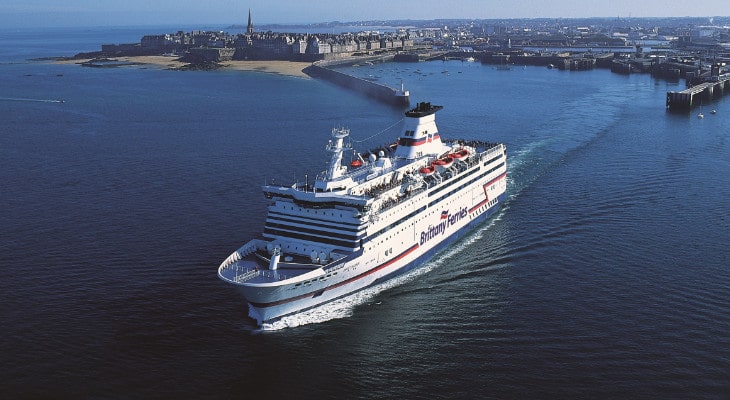
Modern ferries are far more than simple transport vessels. They are designed with passenger comfort firmly in mind, offering a range of facilities that turn the crossing itself into an enjoyable part of the holiday. Depending on the ship, you can expect to find restaurants and cafés serving hot meals and snacks, comfortable lounges with plenty of seating, and shops where you can pick up gifts, essentials, or duty-free items.
Many vessels also feature bars, entertainment areas, and outdoor decks where you can enjoy panoramic views of the water. On longer or overnight routes, private cabins are available, giving you a quiet space to rest, freshen up, and store your belongings securely. Booking a cabin transforms an overnight crossing into something closer to a mini-cruise, and for many travellers it is well worth the additional cost.
For those bringing vehicles, the process of boarding and disembarking is straightforward. You drive your car directly onto the vehicle deck, leave it secured for the duration of the crossing, and then simply drive off once you arrive. Staff are on hand throughout to guide you and answer any questions, making the whole experience smooth and stress-free even for first-time travellers.
Preparing for Your Journey
A little preparation goes a long way towards ensuring your ferry trip runs smoothly. Make sure you have all the necessary travel documents ready, including valid passports for everyone in your party. If you are travelling with a vehicle, check that you have your driving licence, insurance documents, and vehicle registration to hand, as these may be required.
It is also worth familiarising yourself with the requirements for driving in France if you plan to take your car onto French roads. Certain items are legally required to be carried in the vehicle, and being aware of local driving regulations before you set off will help you avoid any unwelcome surprises. Arriving at the port in good time is essential, as check-in typically closes well before departure. Giving yourself a comfortable buffer means you can board without rushing.
Packing sensibly is another key consideration. Keep essentials such as medication, snacks, and entertainment within easy reach rather than buried in the boot, particularly on longer crossings. If you are travelling overnight, having a small overnight bag with toiletries and a change of clothes makes the cabin experience far more comfortable.
Making the Most of Your Trip
Once you arrive in France, a world of possibilities opens up before you. Depending on where you dock, you might find yourself within easy reach of charming coastal towns, historic cities, rolling vineyards, or beautiful beaches. Having your own vehicle means you can set your own itinerary, stopping wherever catches your eye and travelling at your own pace.
France is a country of remarkable diversity, from the sophisticated pleasures of its cities to the tranquil beauty of its rural regions. Food lovers will delight in the local markets, bakeries, and restaurants, while those with an interest in history and culture will find no shortage of museums, monuments, and picturesque villages to explore. The freedom that comes with arriving by ferry, complete with your own car, allows you to experience all of this on your own terms.
Final Thoughts
Travelling by ferry from the south of England to France offers a wonderful combination of convenience, comfort, and flexibility. It removes much of the stress associated with air travel, gives you the freedom to bring your own vehicle, and turns the journey itself into an enjoyable experience rather than a mere means to an end.
With careful planning, early booking, and a little preparation, your crossing can be smooth and hassle-free from start to finish. Whether you are seeking a short getaway or the beginning of a grand adventure, the ferry provides a relaxed and memorable way to reach the French coast. So gather your travel companions, pack your bags, and set your sights across the Channel — a wonderful journey awaits.





Leave a Reply