
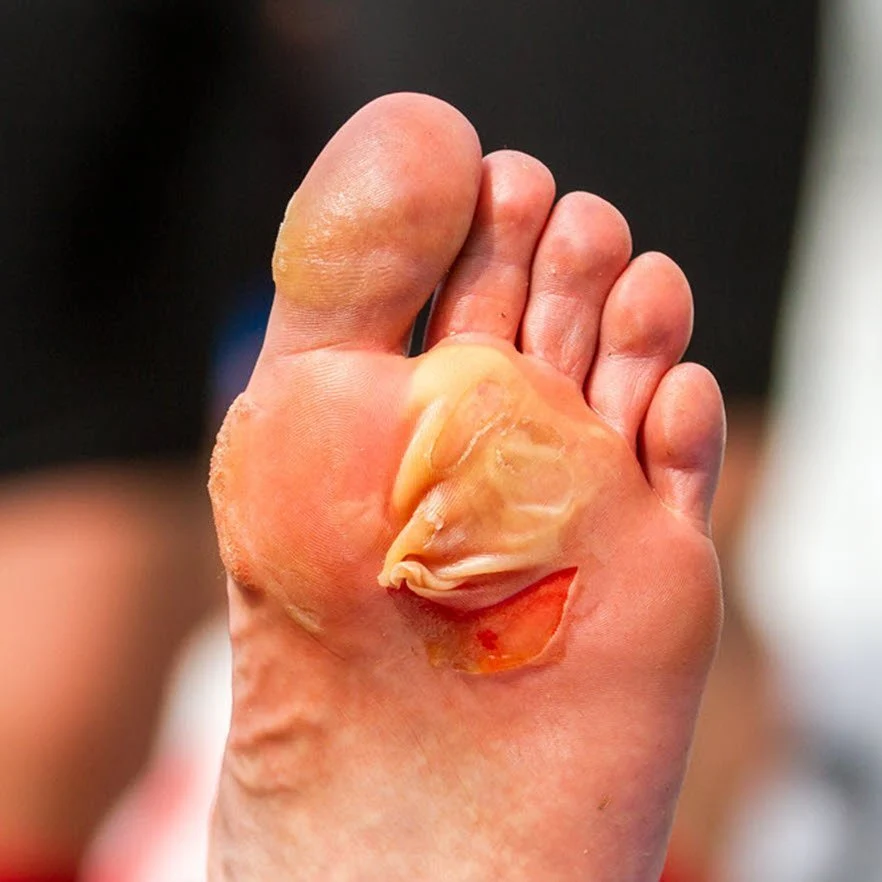
Frequent shoe blisters are usually a sign that part of the foot is repeatedly rubbing against the shoe. Poor sizing, heel movement, stiff materials, and pressure around the toes can all increase friction. A better-fitting pair reduces unnecessary movement while leaving enough room for the foot to flex naturally during walking.
Where Does Blister-Causing Friction Begin?
The back of the heel is a familiar trouble spot because loose shoes can slide up and down with every step. Toes may also rub against each other or against the front and sides of narrow shoes.
The location of the blister gives useful clues. Rather than assuming all shoes need to be larger, consider whether the problem is excess movement, insufficient width, or one stiff section of the upper.
Look at the Fit While Walking
A shoe can seem fine while you’re standing still and behave differently once your foot begins moving. Walk quickly, turn, and climb a few steps if possible.
Browsing fashion and lifestyle ideas may help with style choices, but a walking test is what tells you whether a particular shoe actually stays in place.
Heel Security Makes a Big Difference
The heel should feel held rather than squeezed. Excessive slipping creates repeated rubbing, while a rigid heel counter can press against the skin if its shape doesn’t match your foot.
Lacing can sometimes improve security in athletic or casual shoes. Adjusting the upper part of the lacing may reduce heel movement without tightening the entire shoe excessively.
| Blister Area | Likely Fit Issue | What to Check |
|---|---|---|
| Back of heel | Excess slipping | Heel security |
| Small toe | Shoe too narrow | Toe-box width |
| Top of toes | Low upper space | Vertical room |
| Ball of foot | Sliding forward | Length and hold |
Socks Can Reduce Rubbing Too
A well-fitting sock creates a smoother layer between skin and footwear. Bunched fabric, thick seams, or socks that slide around can increase friction even when the shoe itself fits reasonably well.
People building outfits around seasonal clothing layers should also consider sock thickness. Shoes fitted with thin summer socks may become uncomfortably tight when paired with heavier cold-weather socks.
Test Shoes With the Socks You’ll Wear
Bring the intended sock type when trying on walking shoes, boots, or sneakers. Even a few millimeters of added thickness can change heel security and toe space.
That small detail is often overlooked until the first long day in the new pair.
Break-In Shouldn’t Mean Enduring Pain
Some shoes soften slightly with wear, but major pressure points shouldn’t be treated as normal. A narrow sole won’t become significantly wider, and a shoe that is too short won’t gain useful length.
Footwear can still complement a broader personal style wardrobe without requiring painful compromise. Comfort and appearance aren’t opposing goals if you compare more than one shape.
Why Blisters Keep Returning
People often treat the blister without addressing the source of friction. A protective patch may help temporarily, but the same rubbing pattern can return as soon as the shoe is worn again.
Another common error is tightening loose shoes aggressively. That may stop heel movement while creating new pressure over the top or sides of the foot. Better fit means controlling movement without crushing the foot.
Frequently Asked Questions
Should new shoes always cause a few blisters?
No. Slight stiffness can be normal, but repeated blistering isn’t something you need to accept as part of breaking in every new pair. Persistent rubbing usually deserves a fit adjustment or different shoe.
Can thicker socks prevent blisters?
Sometimes, but only if the shoe has enough room. Thick socks may add cushioning, yet they can also make a tight shoe tighter and increase pressure around the toes.
Why do I get blisters only on one foot?
Feet aren’t always identical in size or shape. One shoe may therefore fit differently from the other. Evaluate both feet separately and choose sizing based on the foot that needs more room.
Fix the Friction, Not Only the Blister
A recurring blister tells you where the shoe-foot relationship isn’t working. Check heel movement, width, toe space, sock thickness, and pressure points before wearing the pair for another long day. Frequent shoe blisters become far less likely when the shoe stays secure without squeezing and the foot can move without repeated rubbing.









Leave a Reply