
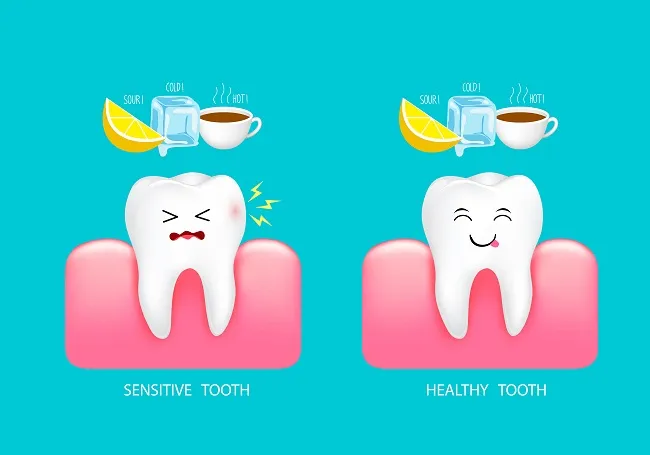
Frequent tooth sensitivity can turn cold drinks, hot foods, sweets, or even brushing into an unpleasant experience. Sensitivity often occurs when the more vulnerable dentin layer becomes exposed, but several dental problems can produce similar discomfort. Reducing obvious triggers may help temporarily, while recurring sensitivity deserves attention to its underlying cause.
Why Can Teeth Become Sensitive?
Healthy enamel protects the visible crown of a tooth, while gum tissue helps protect the root area. When enamel wears down or gums recede, dentin may become exposed and allow temperature or other stimuli to reach sensitive structures inside the tooth more easily.
Cavities, cracked teeth, worn fillings, gum disease, and exposed roots can also contribute. The American Dental Association’s MouthHealthy resource describes these among recognized causes of sensitive teeth.
Identify the Triggers Before Avoiding Everything
Notice whether discomfort follows cold water, hot coffee, sweet food, acidic drinks, brushing, or biting pressure. A clear pattern can give a dentist useful information.
Some people compare personal experiences through online lifestyle reading and other general websites. Those comparisons may describe similar sensations, but they cannot determine whether your sensitivity comes from enamel wear, decay, recession, or another dental problem.
| Trigger | Typical Sensation | Why Context Matters |
|---|---|---|
| Cold drink | Brief sharp feeling | May involve exposed dentin |
| Sweet food | Sudden sensitivity | Decay may need consideration |
| Brushing | Localized discomfort | Gum or root exposure possible |
| Biting pressure | Pain in one area | Crack or dental problem possible |
Improve Daily Care Without Scrubbing Harder
Aggressive brushing is not a good answer to sensitivity. Use gentle technique and a soft-bristled toothbrush rather than trying to remove plaque through extra pressure.
Information on style-focused web pages may influence cosmetic routines, but appearance should not come before protecting enamel and gum tissue. Dental products should be chosen for appropriate oral-care needs rather than presentation alone.
Desensitizing Products May Have a Role
Toothpastes formulated for sensitivity are commonly used to reduce uncomfortable nerve responses. Results and suitability depend on the cause, so persistent pain should still be checked rather than indefinitely managed at home.
Look Beyond Temperature Sensitivity
Sensitivity affecting one tooth may deserve different attention from mild sensitivity spread across several teeth. Pain that lingers, appears spontaneously, or occurs during biting can suggest that more than exposed dentin is involved.
General fashion and lifestyle pages can sit alongside dental information in a person’s browsing routine, but nonclinical content should not guide decisions about tooth pain or dental treatment.
Where Self-Diagnosis Commonly Fails
Calling every sharp sensation “sensitive teeth” can delay care for decay, a cracked tooth, a damaged filling, or gum disease. Sensitivity is a symptom, not a diagnosis.
Another mistake is completely avoiding hot or cold foods while never investigating why the problem started. Trigger avoidance may reduce discomfort, but it does not repair decay or other structural problems.
When Should Tooth Sensitivity Be Checked?
Arrange a dental examination if sensitivity is frequent, worsening, limited to one tooth, or interfering with eating and drinking. Pain that persists after the trigger is gone also deserves attention.
Seek faster dental or medical care for significant facial swelling, fever with dental pain, trauma, uncontrolled bleeding, or rapidly worsening symptoms. These patterns can indicate a problem that should not be managed only with sensitivity toothpaste.
Frequently Asked Questions
Can sensitive teeth improve on their own?
Mild sensitivity may fluctuate, particularly when a temporary irritant is involved. Persistent sensitivity caused by recession, decay, enamel damage, or a cracked tooth may require dental assessment and targeted care.
Does whitening cause tooth sensitivity?
Some whitening products can temporarily increase sensitivity. If discomfort becomes significant or continues after whitening is stopped, discuss the symptoms with a dentist before continuing cosmetic treatment.
Why is only one tooth sensitive?
A single sensitive tooth can have a localized cause such as decay, a worn filling, a crack, or exposed root surface. An examination can help distinguish among these possibilities.
Find the Cause Instead of Chasing the Trigger
Reducing extreme temperature exposure and improving brushing technique can make daily life more comfortable, but frequent tooth sensitivity should not become something you simply learn to tolerate. Pay attention to location, duration, and triggers. When the pattern continues or changes, a dental examination is the most useful next step.
This article is for general informational purposes and is not a substitute for professional medical advice, diagnosis, or treatment.














Leave a Reply