
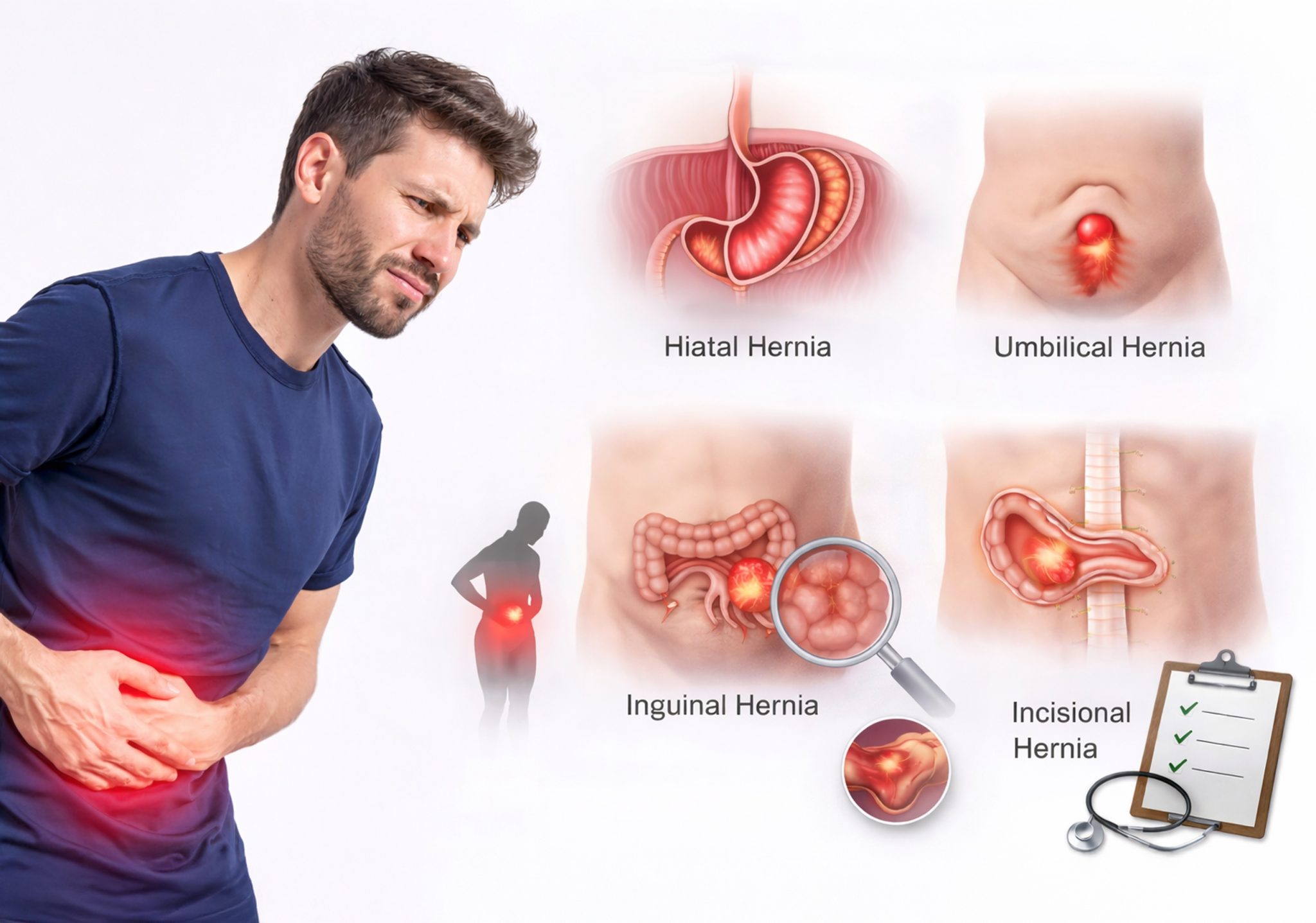
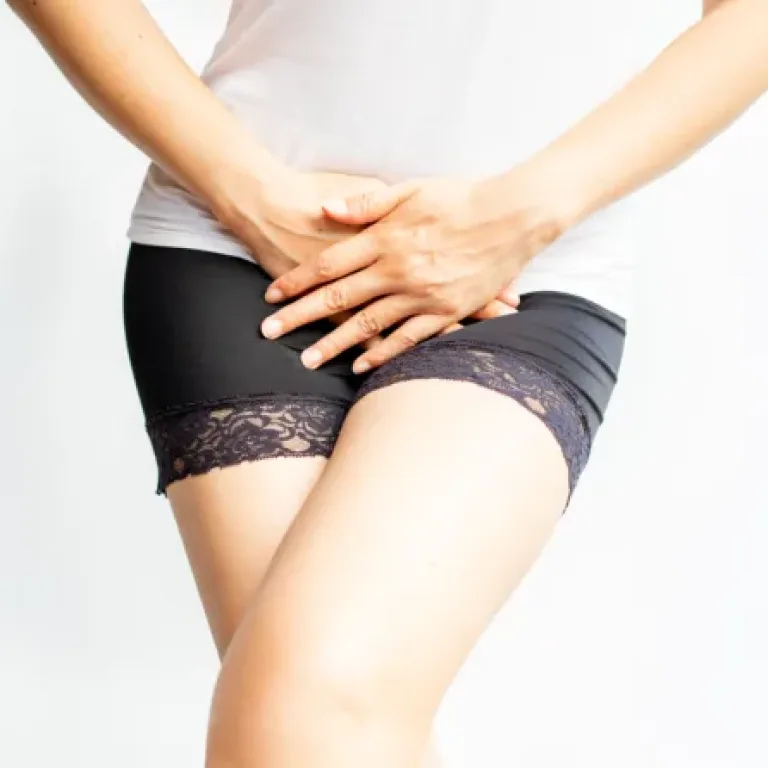
Groin discomfort can begin after exercise or lifting, but persistent pain has a much wider range of possible causes. Muscles, tendons, joints, hernias, urinary problems, kidney stones, lymph nodes, and structures within the scrotum can all produce symptoms in or near the groin.
Location and timing often provide important clues.
Where Is Groin Pain Actually Coming From?
The groin sits where the lower abdomen meets the upper thigh. Pain in this area is sometimes confused with testicular pain even though the two are not always caused by the same problem.
MedlinePlus lists muscle or ligament strain, hernia, hip problems, infection, kidney stones, urinary conditions, testicular problems, and other causes among possibilities.
Pain that clearly began after running, kicking, sudden twisting, or heavy activity may fit a musculoskeletal pattern. Pain without an obvious trigger deserves a broader look.
What Details Help Separate Possible Causes?
A muscle strain often becomes more noticeable during movement, stretching, or resisted activity. A hernia may produce pressure or a bulge, especially during coughing, lifting, or standing.
People searching broadly for explanations may encounter general health resources alongside medical information. Such material can help organize questions, but new persistent groin symptoms should not be assigned a cause based only on online descriptions.
Urinary burning, fever, scrotal swelling, abdominal pain, or blood in the urine changes the clinical picture.
Why Testicular Symptoms Matter
Groin discomfort accompanied by testicular pain, swelling, a lump, or a change in position deserves closer attention. Infection, inflammation, fluid collections, torsion, and other scrotal conditions can sometimes produce pain that spreads into the groin.
Uncertainty about genital symptoms can also create significant worry, which leads some people toward stress and coping content. Managing anxiety may be helpful, but it should occur alongside proper examination when physical changes are present.
| Pattern | Example | What to Consider |
|---|---|---|
| Pain after activity | Pulling sensation | Muscle or tendon strain |
| Bulge with pressure | Worse while standing | Possible hernia |
| Urinary symptoms | Burning or blood | Urinary evaluation |
| Scrotal symptoms | Swelling or testicle pain | Prompt examination |
How Is Persistent Groin Discomfort Evaluated?
A clinician usually asks how the pain began, what makes it worse, whether a lump is present, and whether urinary or genital symptoms have appeared. Examination may include the abdomen, groin, hips, and scrotum depending on the complaint.
General wellness reading online cannot replace this physical assessment because many groin conditions overlap in how they feel.
Depending on the findings, urine testing, blood tests, ultrasound, or other imaging may be considered.
Where Self-Diagnosis Goes Wrong
A common mistake is labeling every groin pain a pulled muscle because it started after activity. Exercise can reveal symptoms from a hernia or another underlying problem as well.
The opposite mistake is assuming persistent pain means something dangerous. Many causes are treatable and non-emergency. What matters is the combination of onset, location, swelling, urinary symptoms, testicular findings, and whether the pain is improving or progressing.
When Symptoms Need Urgent Evaluation
Sudden severe testicular pain requires immediate medical assessment. Prompt care is also important when groin discomfort occurs with marked scrotal swelling, nausea or vomiting, fever, blood in the urine, or a new testicular lump.
A painful groin bulge accompanied by worsening abdominal symptoms should also be assessed promptly. Do not wait for online advice when symptoms are abrupt or severe.
Frequently Asked Questions
Can a groin strain last for several days?
Yes. Muscle and tendon injuries may remain uncomfortable while healing. Pain that is worsening, unexplained, or accompanied by swelling or other symptoms should be assessed.
Can kidney stones cause groin discomfort?
They can. Pain from a urinary stone may travel from the side or back toward the lower abdomen or groin and can occur with urinary symptoms.
Does groin pain always involve the testicles?
No. Muscles, tendons, hip joints, abdominal structures, nerves, urinary conditions, and hernias can all produce groin pain without directly affecting the testicles.
Let the Pattern Guide the Next Step
Groin discomfort that steadily improves after a minor strain may require a different response from pain that persists without explanation or appears with genital, urinary, or abdominal changes.
Pay attention to the exact location, triggers, associated symptoms, and progression. New or persistent symptoms are worth discussing with a clinician rather than repeatedly testing different explanations at home.
This article is for general informational purposes and is not a substitute for professional medical advice, diagnosis, or treatment.









Leave a Reply