
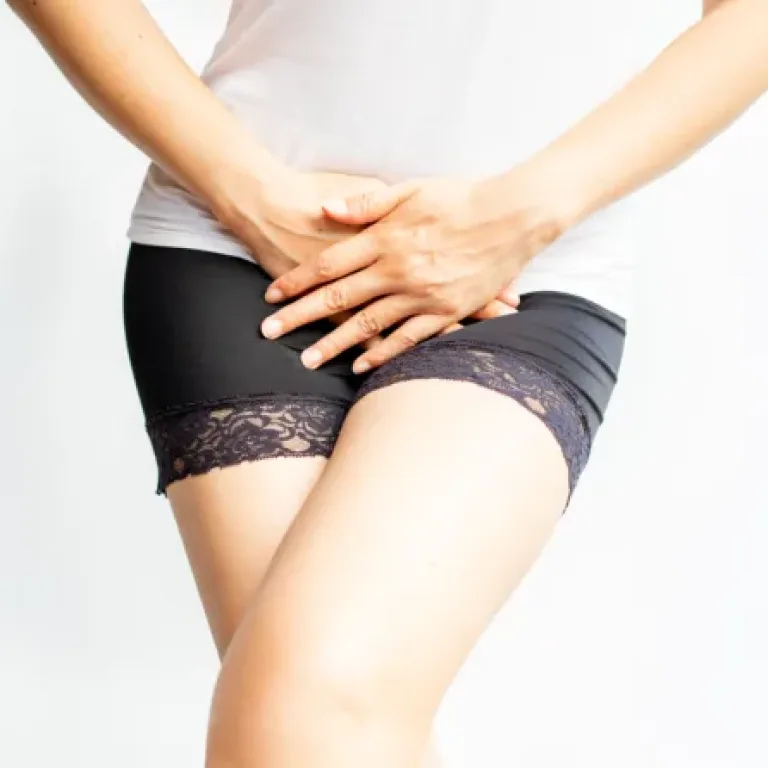
Persistent vaginal dryness can cause burning, irritation, discomfort during sex, or a general feeling that vaginal tissue is less comfortable than before. Hormonal changes are a common explanation, especially around menopause, but they aren’t the only possibility. When dryness continues, identifying the context often leads to better relief than repeatedly changing personal-care products.
What Can Cause Ongoing Vaginal Dryness?
Estrogen helps maintain the thickness, elasticity, and moisture of vaginal tissue. Estrogen levels can fall during perimenopause and after menopause, making vaginal tissue thinner and drier.
Hormonal shifts related to breastfeeding can also contribute. Some medicines, cancer treatments, irritants, insufficient arousal, and certain health conditions may play a role as well.
The Office on Women’s Health explains that lower hormone levels after menopause can cause vaginal tissue to become thinner or drier and outlines options for managing discomfort.
Start With the Type of Discomfort
Dryness during sexual activity isn’t always identical to dryness that causes burning throughout the day. Timing provides useful clues.
Pain only with penetration may involve lubrication, pelvic floor tension, skin changes, or several factors together. Persistent soreness, itching, discharge, or external skin irritation may point toward another issue that needs assessment.
People browsing mood tracking resources sometimes notice that physical discomfort affects sleep, confidence, relationships, and stress. Those effects are legitimate, but addressing the underlying physical symptom remains important.
| Pattern | Possible Context | Next Consideration |
|---|---|---|
| Dryness around menopause | Lower estrogen | Discuss symptom options |
| Discomfort during sex | Reduced lubrication | Lubricant may help |
| Ongoing daily dryness | Tissue or skin changes | Consider evaluation |
| Dryness plus discharge | Another condition possible | Seek assessment |
Which Nonprescription Options Can Help?
For mild discomfort during sex, water-based lubricants can reduce friction. Vaginal moisturizers are different: they are intended to help maintain moisture between sexual activity.
Office on Women’s Health guidance includes both water-based lubricants and vaginal moisturizers among nonprescription approaches for vaginal dryness.
Broader health habit articles can provide useful reminders about sleep, hydration, and daily self-care, but persistent vaginal dryness usually deserves more targeted attention than general wellness measures alone.
When Might Prescription Treatment Be Discussed?
If menopause-related dryness remains troublesome despite nonprescription measures, a healthcare professional may discuss prescription options. These can include local vaginal estrogen or other medicines, depending on symptoms and personal health history.
The Office on Women’s Health describes vaginal estrogen creams, tablets, rings, and other prescription options for some women. Treatment choices have different benefits and risks, which is why individualized discussion matters.
People reading health monitoring content may find it useful to record when discomfort occurs and which products make it better or worse. That information can help during an appointment.
What People Often Misinterpret
Dryness doesn’t automatically mean menopause, and pain during sex shouldn’t automatically be blamed on inadequate lubrication. Skin conditions, infections, pelvic floor problems, medication effects, and other causes can overlap.
Repeatedly switching soaps, washes, or fragranced products can sometimes make irritation worse. Gentle care is usually preferable while the underlying cause is being clarified.
When Persistent Dryness Deserves Evaluation
Arrange medical care if dryness lasts, becomes painful, affects sexual activity, or doesn’t improve with simple measures. Unexpected vaginal bleeding, bleeding after sex, sores, unusual discharge, significant pelvic pain, or marked skin changes also deserve evaluation.
Postmenopausal bleeding should not simply be attributed to dryness without medical assessment. New symptoms after starting a medicine or treatment are also worth discussing with the prescribing clinician.
Frequently Asked Questions
Can menopause cause vaginal dryness?
Yes. Falling estrogen levels around and after menopause can make vaginal tissue thinner, less elastic, and drier. Symptoms vary considerably, and treatment can be tailored to how much discomfort they cause.
Is vaginal moisturizer the same as lubricant?
No. Lubricant primarily reduces friction during sexual activity. A vaginal moisturizer is generally used at other times to help maintain moisture in vaginal tissue for longer periods.
Can vaginal dryness cause painful sex?
Yes. Reduced moisture and thinner tissue can increase friction and discomfort. Persistent pain may have additional causes, so pain that continues despite lubrication is worth discussing with a healthcare professional.
Choose Relief Based on the Cause
Persistent dryness is common enough to discuss openly and specific enough to deserve proper attention. Start by noticing when symptoms occur and avoiding irritating products. If simple measures aren’t enough, a clinician can help determine whether hormonal changes, another condition, or a combination of factors is driving the discomfort.
This article is for general informational purposes and is not a substitute for professional medical advice, diagnosis, or treatment.







Leave a Reply