
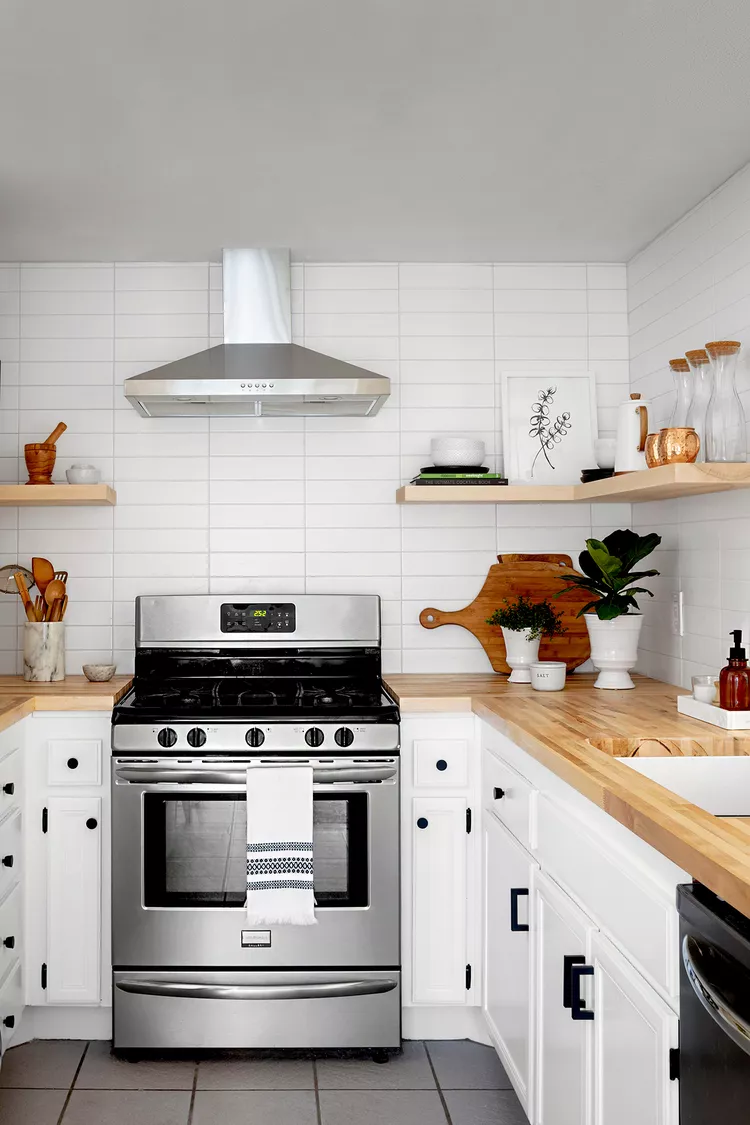
Crowded kitchen counters usually need better storage decisions rather than a larger kitchen. Start by removing items that don’t earn their counter space, then move frequently used tools closer to where they’re needed. Walls, cabinet interiors, drawers, vertical storage, and unused corners can reclaim surprising amounts of working space without demolition or expensive construction.
Decide What Deserves Counter Space
A countertop should primarily support food preparation and the appliances you use often. If an appliance appears once or twice a month, storing it permanently on the counter may cost more usable space than the convenience provides.
Start with three simple groups:
- Keep daily-use items accessible.
- Relocate occasional-use items.
- Remove duplicates or objects that belong elsewhere.
While exploring home improvement reading, focus on ideas that match your actual kitchen rather than trying to reproduce highly staged counters. A beautiful storage idea isn’t useful if it makes everyday cooking harder.
Use Vertical Space Before Adding Furniture
Bare wall space can often hold items currently occupying the worktop. Depending on your kitchen and installation conditions, options might include shelves, rails, hooks, magnetic storage designed for compatible utensils, or wall-mounted racks.
Think upward inside cabinets too. Shelf risers can separate stacked dishes, while vertical dividers can keep baking trays and cutting boards from collapsing into one pile.
Design inspiration found through design trend directories can be helpful, but measure first. Storage that extends too far over a preparation zone can replace countertop clutter with head-level clutter.
Give Small Objects Defined Homes
Loose objects make counters look crowded faster than large appliances do. Cooking oils, utensils, mail, charging cables, spices, and reusable bottles tend to spread because they lack boundaries.
| Clutter Source | Better Location | Main Benefit |
|---|---|---|
| Cooking utensils | Drawer or compact crock | Clears prep area |
| Cutting boards | Vertical divider | Easier access |
| Mail and papers | Entry organizer | Keeps kitchen dry |
| Small appliances | Cabinet or appliance zone | More work surface |
Create one contained zone for anything that genuinely must stay out. A narrow tray for frequently used cooking items, for example, is easier to clean around than six separate containers.
Reclaim Hidden Storage Areas
Cabinet doors, deep drawers, awkward corners, and the space beneath shelves are easy to overlook. These areas can often absorb items without changing the kitchen footprint.
Before buying organizers, empty one problem cabinet and identify why it isn’t working. Sometimes the issue is excessive packaging or duplicate cookware rather than a shortage of organizers.
Useful practical media resources can introduce new storage concepts, but buying containers before reducing clutter often creates another category of clutter: unused organizers.
Where Counter-Clearing Efforts Go Wrong
The biggest mistake is trying to organize everything you already own without questioning whether everything needs to remain in the kitchen. A second blender, twelve rarely used mugs, or an oversized serving piece may consume valuable everyday storage.
Another trap is hiding too much. If frequently used tools become difficult to reach, they’ll quickly return to the counter. Good organization isn’t an empty-counter contest. The goal is enough clear surface for preparing meals comfortably while keeping regular tasks convenient.
Frequently Asked Questions
What should stay on a small kitchen counter?
Keep items you use frequently enough to justify the space, such as a regularly used coffee maker or a small group of cooking tools. The exact mix depends on your habits and available cabinets.
How can I create kitchen storage without drilling into walls?
Drawer organizers, shelf risers, freestanding racks, cabinet-door organizers designed for your cabinetry, stackable bins, and vertical dividers can add storage without permanent wall installation.
Should appliances be stored inside cabinets?
Occasionally used appliances are often good cabinet candidates if they’re light enough to move safely and the shelf can support them. Daily-use appliances may be more practical on the counter.
Protect the Space You Reclaim
Clearing counters once is easy; keeping them useful requires a simple rule for what is allowed to return. Give every everyday object a defined home and reassess anything that repeatedly drifts onto the worktop. Use vertical and hidden storage before adding more furniture. A kitchen doesn’t need to look empty—it needs enough open surface to make cooking, serving, and cleaning less frustrating.





Leave a Reply