
Empty dining walls can make a finished room feel strangely incomplete, yet filling every surface creates the opposite problem. The goal is to introduce enough visual weight to make the dining area feel intentional while preserving breathing room. A few well-scaled pieces usually create a stronger result than many small decorations competing for attention.
Start With One Visual Anchor
Choose the wall that naturally attracts attention when entering the room. This may be the wall behind a sideboard, opposite the dining table, or beside the main seating area.
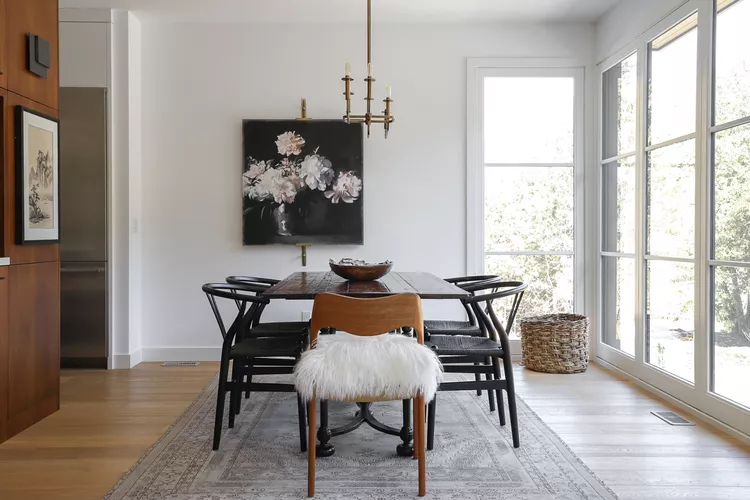
One large artwork, mirror, textile, or grouped installation can establish the room’s visual center. Browsing home inspiration articles can help generate ideas, but scale should be determined by your actual wall and furniture rather than by photographs of larger rooms.
Connect the Wall to Furniture Below
Wall decor often looks disconnected when it ignores the dimensions of nearby furniture. A piece above a console or sideboard should usually feel visually related to that furniture rather than floating independently.
Before hanging anything, use removable paper templates to judge the size from across the room.
Use Artwork Without Building a Busy Gallery
Gallery walls can work beautifully, but they’re not necessary for every dining space. One oversized piece or a restrained pair of artworks can create more impact with fewer visual interruptions.
Creative design commentary and ideas may encourage experimentation, but consistency matters. Repeating one frame finish, subject style, or color family can help multiple pieces read as one composition rather than separate objects.
| Wall Feature | Visual Effect | Best Use |
|---|---|---|
| Large artwork | Strong focal point | Main wall |
| Mirror | Adds depth and light | Smaller dining room |
| Pair of prints | Balanced appearance | Above sideboard |
| Floating shelf | Flexible display | Casual spaces |
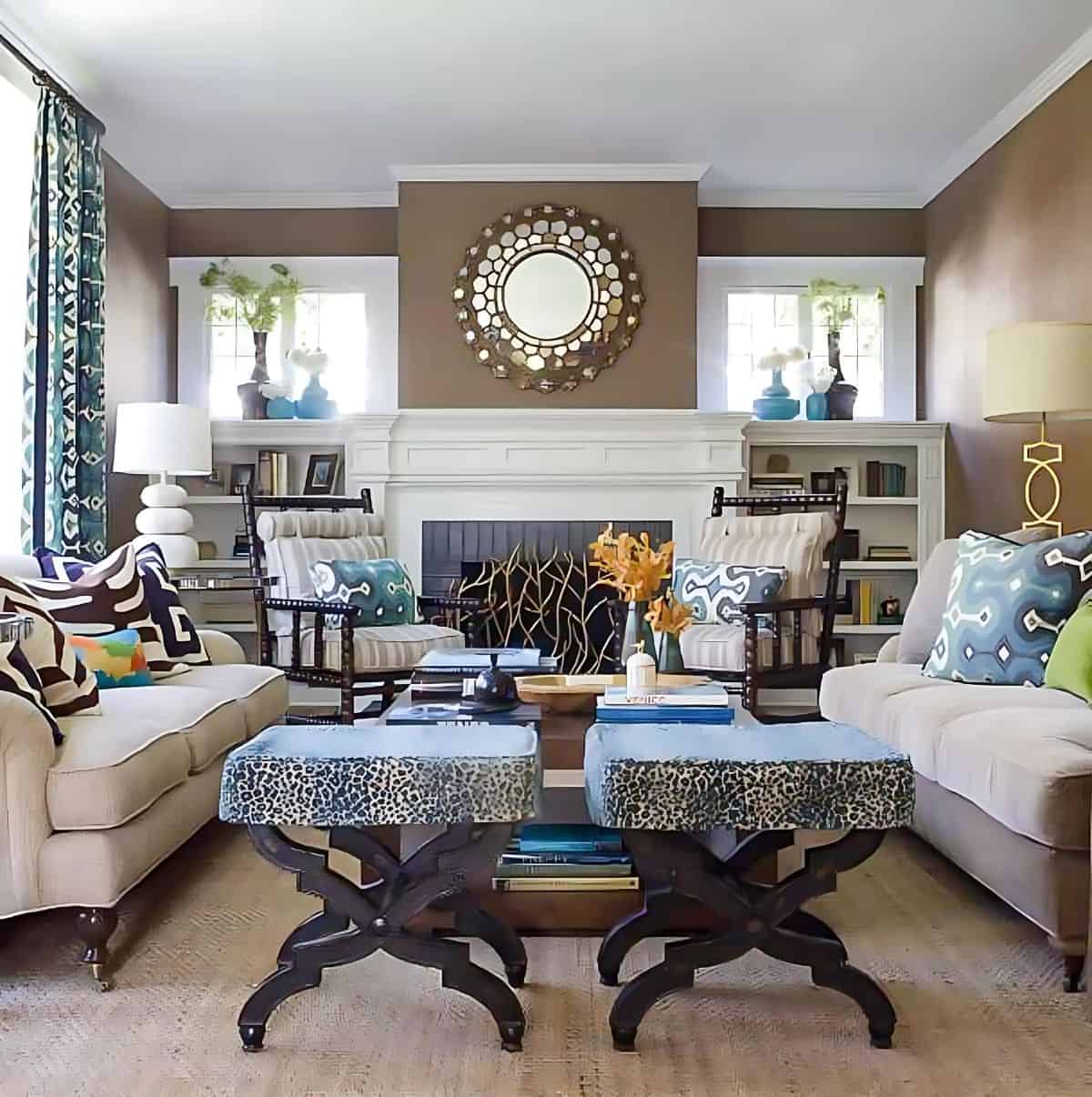
Let Mirrors Do More Than Decorate
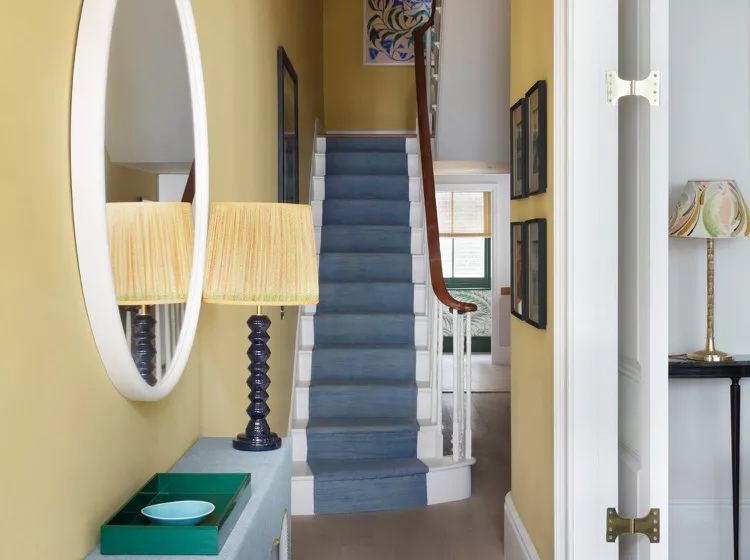
A mirror can make the dining area feel more open while reflecting daylight or evening lighting. Placement matters more than size alone.
Check what the mirror reflects from common seating positions. Reflecting a window, pendant light, artwork, or attractive room feature can feel intentional. Reflecting storage clutter or a television from another room may make the dining area appear busier.
Add Texture Instead of More Objects
Walls don’t need multiple accessories to feel interesting. Wood paneling, subtle wallpaper, limewash-style finishes, molding, or a textile piece can introduce depth while keeping the surface visually controlled.
Exploring different decorating viewpoints can be useful when deciding between artwork and architectural texture. In smaller rooms, texture often creates character without projecting into valuable floor space.
Where Decorating Can Become Too Busy
A common mistake is treating every blank area as a problem. Negative space is part of the composition because it lets stronger pieces stand out.
Another issue occurs when artwork, mirrors, shelves, plants, table decor, and lighting all compete for attention at the same height. Give the eye a hierarchy. Decide what should be noticed first, what supports it, and what can remain quiet. An empty section of wall may be exactly what keeps the room balanced.
Frequently Asked Questions
What should I put on a large empty dining room wall?
Large artwork, a substantial mirror, restrained panel molding, or a carefully proportioned pair of prints are strong options. Choose one primary feature before adding smaller accessories.
Are gallery walls suitable for small dining rooms?
Yes, but keep the arrangement controlled. Fewer pieces, consistent spacing, and related frames can prevent a small wall from becoming visually crowded.
How can I decorate dining walls without spending much?
Reframe existing prints, use removable wallpaper on one section, create simple molding, hang a textile, or move artwork from another room before purchasing new decor.
Leave Enough Space for the Room to Work
Dining wall decor should strengthen the room rather than prove that every wall has been decorated. Start with one focal area, choose pieces that relate to the furniture, and leave deliberate open space around them.
Before buying more accessories, remove one or two items and look again. Often, the cleaner version feels more finished.





Leave a Reply