
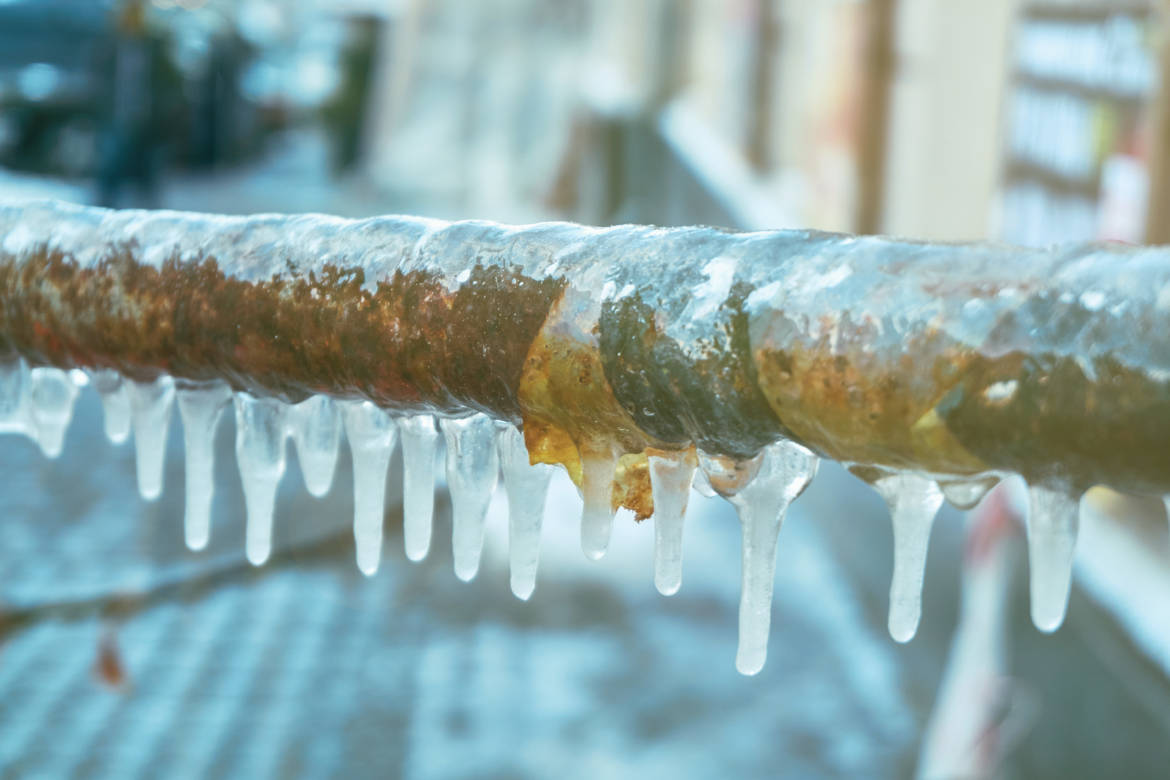
Cold weather can turn an exposed water line into an expensive problem surprisingly quickly. Frozen pipe risks are highest where plumbing passes through unheated or poorly insulated spaces. Prevention focuses on keeping vulnerable pipes warmer, limiting cold-air exposure, and recognizing reduced water flow before a frozen section causes damage.
Which Pipes Are Most Vulnerable?
Pipes in exterior walls, crawl spaces, garages, attics, basements, and unheated utility areas deserve the most attention. Outdoor hose connections and plumbing near openings that admit cold air may also freeze sooner than pipes deeper inside conditioned space.
The vulnerable point isn’t always the coldest room. A small air leak directing freezing air onto one section of pipe can create a localized problem.
Planning around cold-weather home planning can help reveal how insulation, exterior openings, and plumbing locations interact during freezing conditions.
Prevent Freezing Before Temperatures Drop
Disconnect garden hoses and prepare outdoor water connections according to the fixture design and local climate. Keep garage doors closed when water lines run through the garage, and maintain appropriate indoor heating during cold periods.
Open sink-cabinet doors when necessary so warmer room air can circulate around plumbing on exterior walls. Insulating accessible pipes may also reduce heat loss.
Seal cold-air pathways
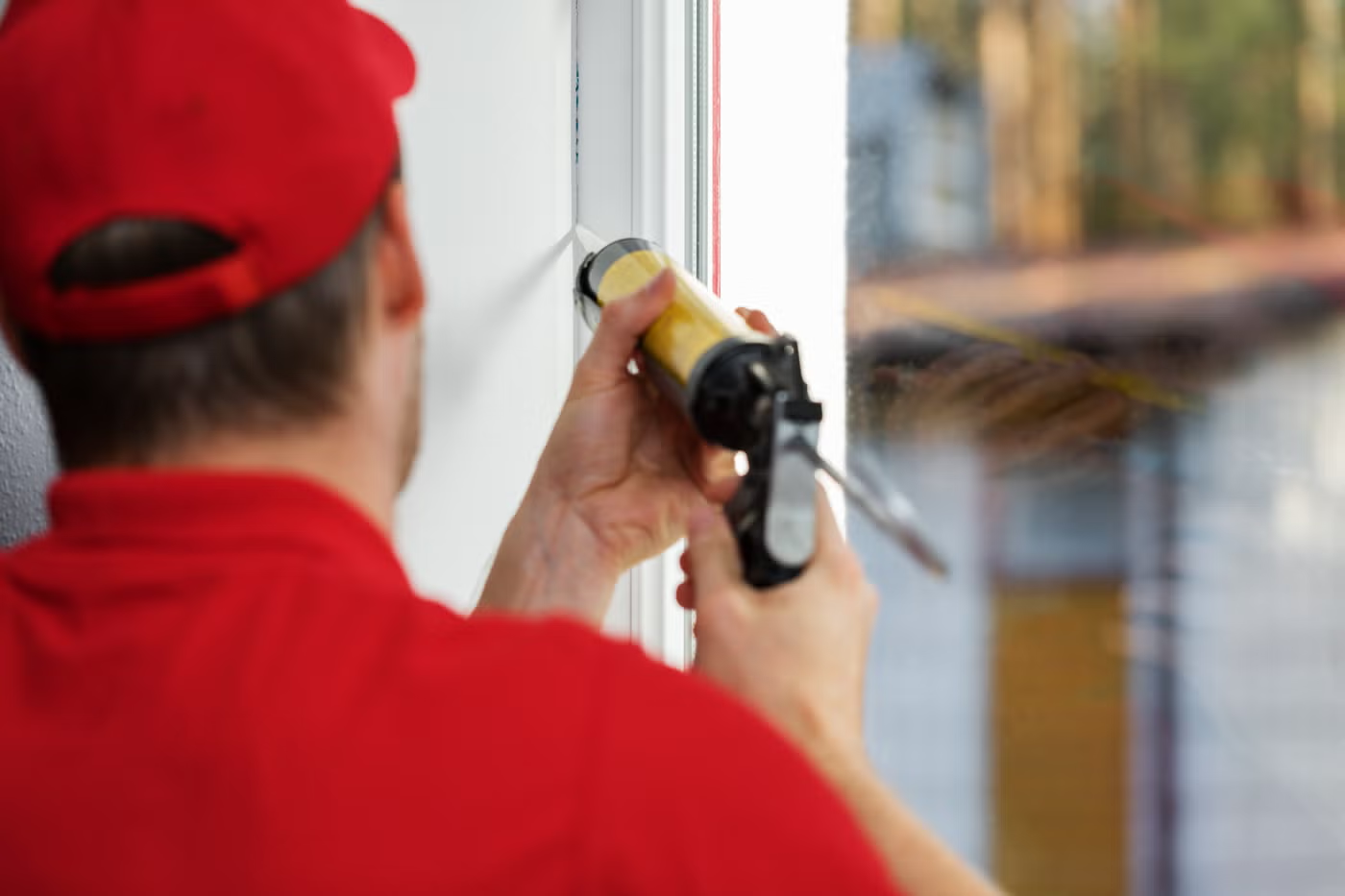
Look around cable penetrations, sill plates, crawl-space openings, and other places where outside air reaches plumbing. Sealing drafts can sometimes protect a pipe more effectively than wrapping the pipe alone.
What Should You Do If Water Flow Suddenly Drops?
A weak trickle during freezing weather can indicate ice forming inside the line. Keep the affected faucet open while investigating so melting water has somewhere to escape.
If you can safely access the suspected frozen section, gentle heat may be applied using methods such as warm air or approved heating equipment. Never use an open flame, torch, or other device that creates a fire hazard.
Useful home comfort guides can support broader winter preparation involving heating, insulation, utility spaces, and moisture control.
| Situation | Risk Level | Response |
|---|---|---|
| Exposed pipe in cold area | Elevated | Insulate and block drafts |
| Faucet produces a trickle | Possible freezing | Investigate promptly |
| Pipe visibly split | High | Shut off water |
| Water leaking after thaw | Urgent | Isolate supply and repair |
Prepare for a Pipe That Has Already Split
Know where the main water shutoff is before an emergency occurs. If a frozen pipe has cracked, water may not appear until the ice begins melting.
Move valuables away from the area and be prepared to shut off the water immediately. Electrical equipment near active leaks adds another hazard and should be approached cautiously.
Seasonal room upkeep guidance can also help identify spaces where water damage would spread quickly, including finished basements, kitchens, bathrooms, and laundry areas.
Cold-Weather Mistakes That Increase Risk
Don’t assume indoor pipes are automatically protected. Plumbing inside an exterior wall or behind an uninsulated cabinet can still freeze even though the surrounding room feels comfortable.
Another mistake is using intense heat to thaw a pipe faster. Excess heat can damage piping or nearby materials, while flames introduce a serious fire risk. Slow, controlled warming is the safer approach.
Frequently Asked Questions
Should I let faucets drip during freezing weather?
A small flow may help in some vulnerable plumbing situations, but it isn’t a substitute for insulation, heating, and draft control. Local utility guidance can also vary depending on climate and water restrictions.
How can I tell whether a frozen pipe has burst?
A split may not leak while the pipe remains frozen. After thawing begins, watch carefully for dripping, spraying water, damp walls, or unexpected water sounds.
Which areas should I inspect first?
Start with plumbing in garages, crawl spaces, basements, exterior walls, attics, and near outside openings. Pipes with a history of freezing deserve priority.
Prepare Before the Freeze Arrives
The easiest frozen pipe to handle is the one that never freezes. Insulate exposed lines, block cold drafts, keep vulnerable areas warm, and locate your main shutoff in advance. If flow suddenly drops during freezing weather, investigate promptly and use controlled heat rather than flame.










Leave a Reply