
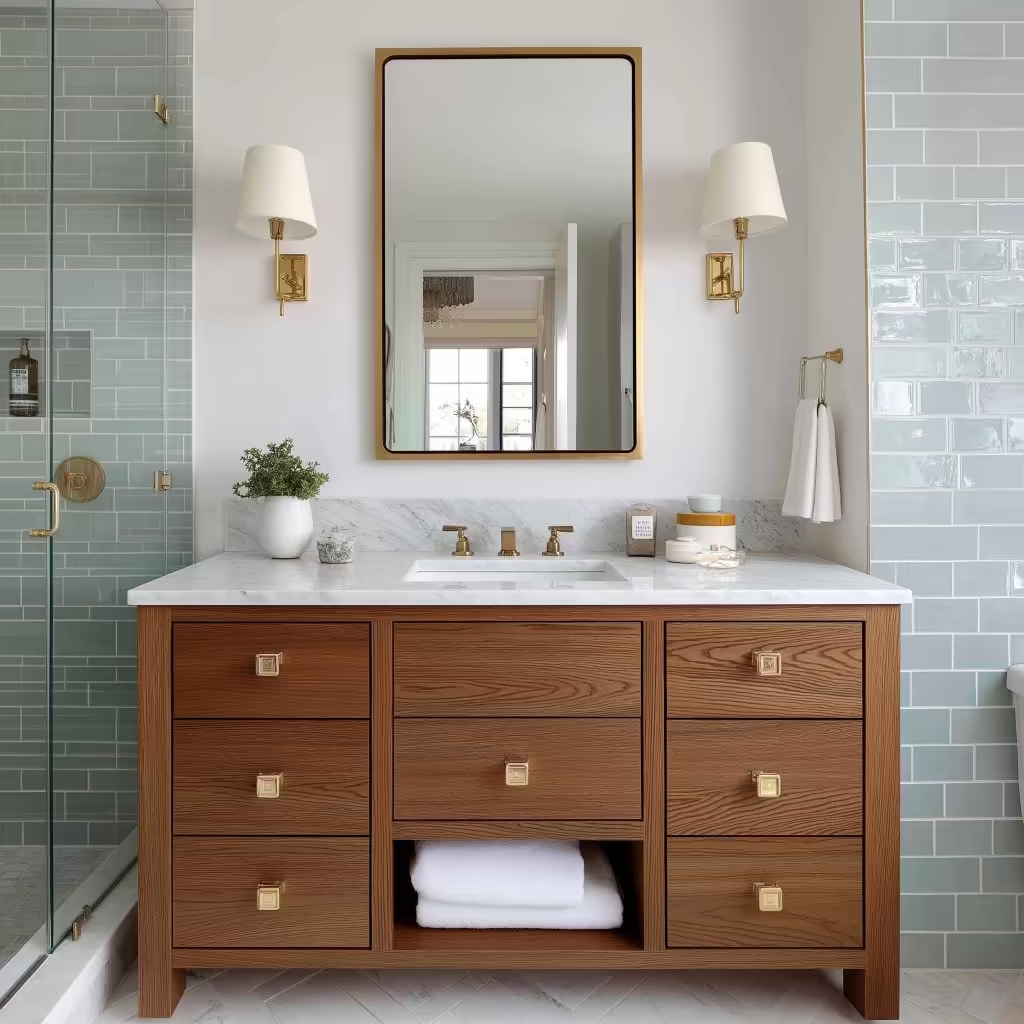
Small bathroom vanities work best when storage is designed vertically and everyday items have defined places below the countertop. A compact vanity doesn’t need an oversized cabinet to stay functional. The bigger challenge is preventing toiletries, grooming tools, towels, and cleaning products from competing for the same limited surface.
Choose the Right Vanity Footprint
Measure the available wall width, floor depth, door swing, and walking space before choosing a vanity. A cabinet that technically fits can still make a small bathroom uncomfortable if it projects too far into the room.
Wall-mounted vanities can expose more floor and make the space appear lighter. A compact freestanding vanity may offer more enclosed storage, so the better choice depends on what you actually need to keep nearby.
Give Everyday Items the Best Storage
Place frequently used items where they can be reached without emptying a cabinet. The top drawer or upper shelf is usually more useful for daily grooming products than the deepest section near the floor.
Design ideas encountered through general publishing sites can be useful starting points, but storage should follow your own routine. A beautiful vanity fails quickly when the items you use every morning have nowhere convenient to go.
Divide Wide Drawers
Small trays or adjustable dividers prevent one drawer from becoming a pile of toothbrushes, cosmetics, razors, and hair accessories.
The goal isn’t to create dozens of tiny compartments. Divide only where separate categories make retrieval noticeably easier.
Use the Area Around Plumbing
Sink plumbing often turns the center of a vanity cabinet into awkward space. Instead of abandoning that area, use shallow bins, narrow side containers, or adjustable organizers positioned around the pipes.
People collecting compact-space inspiration should look beyond cabinet width alone. Usable shape matters just as much because poorly positioned shelves can waste a surprising amount of interior capacity.
| Storage Zone | Good Use | Avoid |
|---|---|---|
| Top drawer | Daily grooming | Bulky backups |
| Under sink | Cleaning supplies | Loose small items |
| Door interior | Slim organizers | Heavy containers |
| Countertop | Daily essentials | Product overflow |
Keep Counter Storage Selective
A clear counter usually makes a small vanity feel larger. That doesn’t mean every object needs to disappear.
Choose a limited group of things that genuinely benefit from remaining accessible, such as hand soap and perhaps one small grooming container. Move backup products and occasional-use items below the sink.
Browsing interior reading material may provide visual ideas, but resist styling the counter with objects that occupy the space you need for daily routines.
Where Small Vanity Storage Goes Wrong
Adding organizers without removing excess items can make a cabinet more crowded, not less. Before buying baskets or inserts, discard empty containers and move bulk backups elsewhere if another storage area is available.
Another mistake is filling every vertical inch. Containers still need room to be removed comfortably. Storage density is useful only when you can reach things without knocking over several other items first.
Add Storage Without Making the Room Feel Heavy
Use the wall strategically when the vanity itself isn’t enough. A recessed medicine cabinet, narrow shelf, or small wall cabinet can handle lighter items without increasing the vanity footprint.
Keep additions proportional to the room. Deep shelves positioned near head height can make a tight bathroom feel enclosed and may create an annoying obstacle around the sink.
Frequently Asked Questions
Is a floating vanity better for a small bathroom?
It can make more floor visible and create a lighter appearance. However, some floating models provide less storage than similarly sized freestanding cabinets, so compare usable interior space before deciding.
What should stay on a small bathroom counter?
Keep only things that are used constantly and are difficult to store conveniently elsewhere. Soap is an obvious candidate; most backups, cleaning products, and occasional grooming tools can usually be stored below.
How can I organize a vanity with plumbing in the middle?
Use smaller containers on either side of the plumbing and choose organizers with flexible configurations. Measure pipe positions before buying fixed shelving or drawer systems.
Design Around the Routine
The best small vanity isn’t necessarily the one with the most compartments. It’s the one that keeps frequent items easy to reach while protecting the counter from clutter. Measure carefully, use awkward cabinet zones deliberately, and move low-priority supplies elsewhere. In a tight bathroom, a little empty space can be as useful as another storage bin.













Leave a Reply