
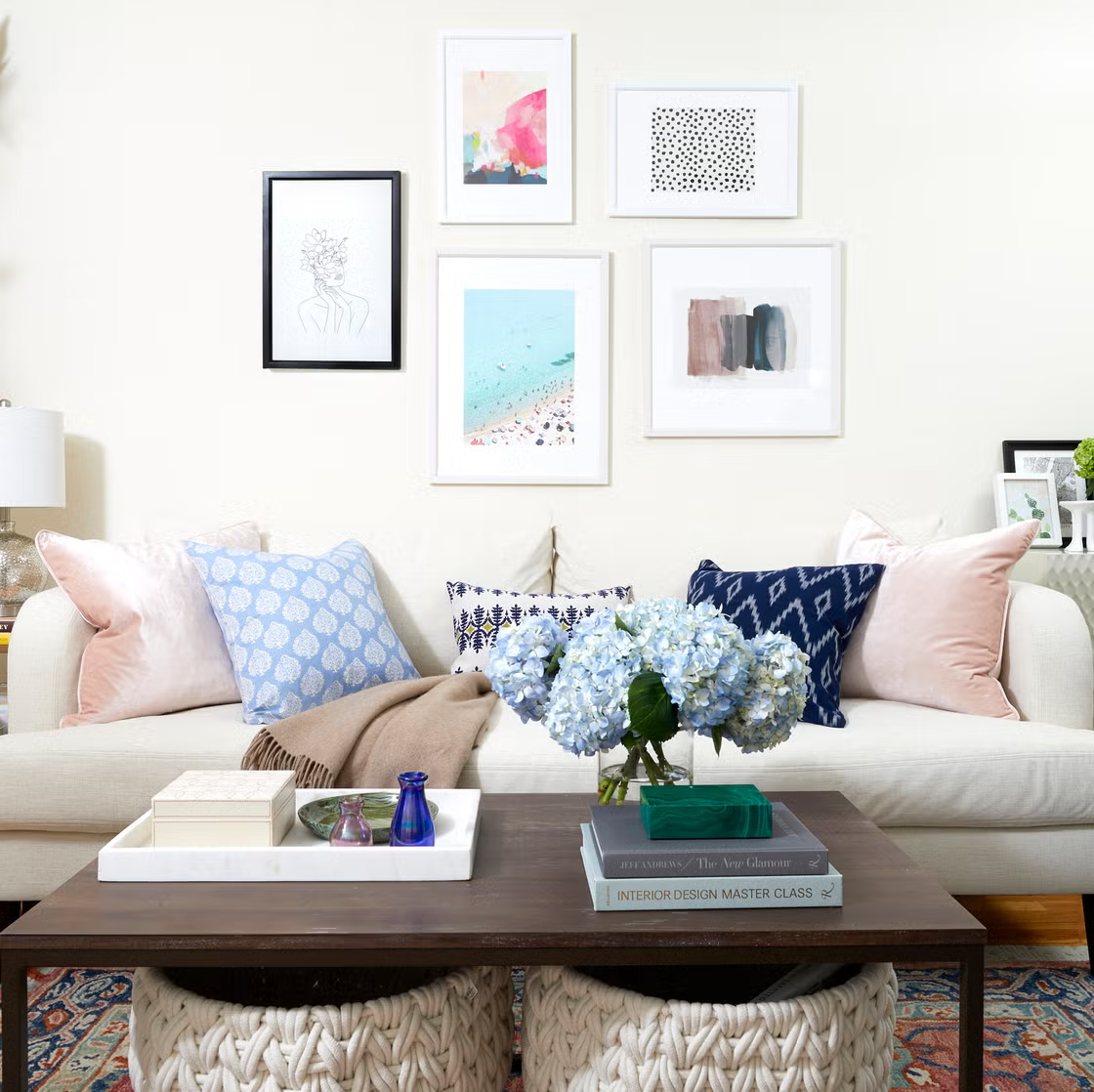
Dark living rooms can feel brighter without replacing windows, removing walls, or beginning an expensive renovation. The biggest improvement usually comes from combining better light distribution, reflective surfaces, controlled contrast, and less visual obstruction.
Painting everything bright white isn’t automatically the answer. A poorly lit white room can still feel flat and gloomy.
Find Out Where the Light Is Being Lost
Look at the room during morning, afternoon, and evening. Notice whether curtains block daylight, furniture interrupts window light, deep wall colors absorb it, or the room depends on one ceiling fixture.
Sometimes the window itself isn’t the main problem. A tall sofa, heavy curtain, oversized bookcase, or crowded window ledge can prevent existing daylight from reaching farther into the space.
Make Existing Daylight Work Harder
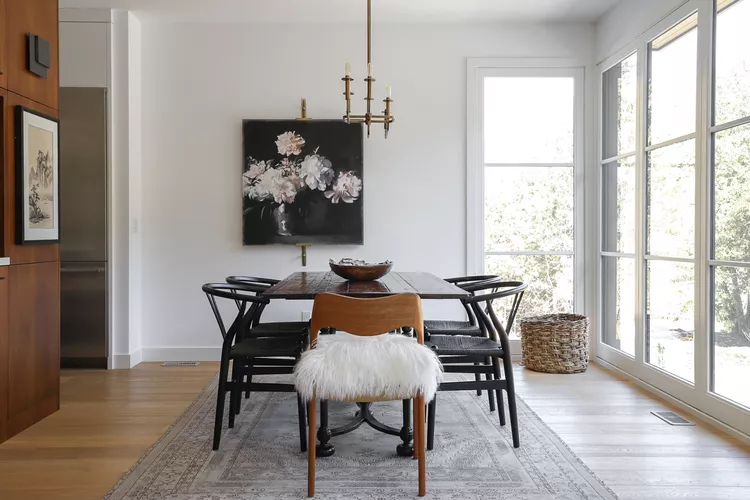
Open the area immediately around windows. Lighter curtains, shades that stack compactly, and furniture positioned below rather than directly across a window can improve how daylight travels.
Design ideas found through general home-related coverage can offer inspiration, but start with what costs nothing: move obstacles and observe the difference before buying new fixtures.
Mirrors can help when positioned to reflect useful light or brighter portions of the room. Randomly hanging a large mirror on the darkest wall doesn’t guarantee improvement.
Layer Light Instead of Depending on One Fixture
A single overhead fixture creates bright and dark zones, especially in rooms with deep corners. Combine ambient lighting with lamps that illuminate reading areas, walls, shelves, or corners.
People browsing decorating headlines and ideas may focus first on dramatic fixtures. Light placement often matters more than the fixture’s visual size.
| Dark-Room Problem | Simple Adjustment | Expected Effect |
|---|---|---|
| Dim corners | Add floor or table lamp | Expands usable light |
| Heavy window area | Reduce visual blockage | Improves daylight reach |
| Flat walls | Add controlled contrast | Creates depth |
| Dark furnishings | Add lighter textiles | Reduces visual heaviness |
Choose bulbs with compatible brightness and color characteristics so the room doesn’t feel as if several unrelated lighting schemes are competing.
Use Contrast Instead of Making Everything Pale
Bright rooms still need depth. If walls, sofa, rug, curtains, and accessories are all nearly identical, the room may look washed out rather than lively.
While collecting ideas through interior reading sources or design galleries, notice how successful darker rooms often preserve some deep colors. The difference is that those colors are balanced with lighter surfaces and adequate lighting.
A charcoal sofa can work in a darker living room when the surrounding rug, pillows, wall area, and lamps prevent it from becoming one large visual shadow.
What People Often Get Wrong About Dark Rooms
The common instinct is to buy brighter bulbs. That can produce glare without fixing the room’s dark corners, blocked daylight, or heavy visual composition.
Another mistake is removing every dark element. Contrast helps the eye understand shape and depth. Instead of eliminating dark furniture, distribute lighter materials nearby.
Glossy surfaces aren’t automatically better either. Too much reflection can feel harsh. A few strategically reflective surfaces usually work better than making the entire room shiny.
Frequently Asked Questions
What color makes a dark living room look brighter?
Soft whites, warm off-whites, pale neutrals, and some lighter muted colors can reflect more available light. The best choice still depends on the room’s daylight direction, artificial lighting, furniture, and desired atmosphere.
Can mirrors brighten a room with little natural light?
Mirrors can redistribute existing light and create a stronger sense of openness, but they don’t generate light. Placement matters most. Position them where they reflect a window, illuminated wall, lamp, or visually open part of the room.
Are floor lamps better than ceiling lights for dark rooms?
They serve different purposes. Ceiling fixtures provide broad ambient light, while floor lamps can target dim corners and activity zones. Dark living rooms usually benefit more from layered lighting than from relying exclusively on either type.
Brighten the Room in the Right Order
Before replacing furniture or planning construction, remove window obstructions, reposition heavy pieces, improve lamp placement, and introduce lighter materials where the room feels visually dense.
Then reassess the space at different times of day. Small adjustments become more effective when they solve a specific lighting problem instead of turning the entire living room into a collection of bright objects.









Leave a Reply