
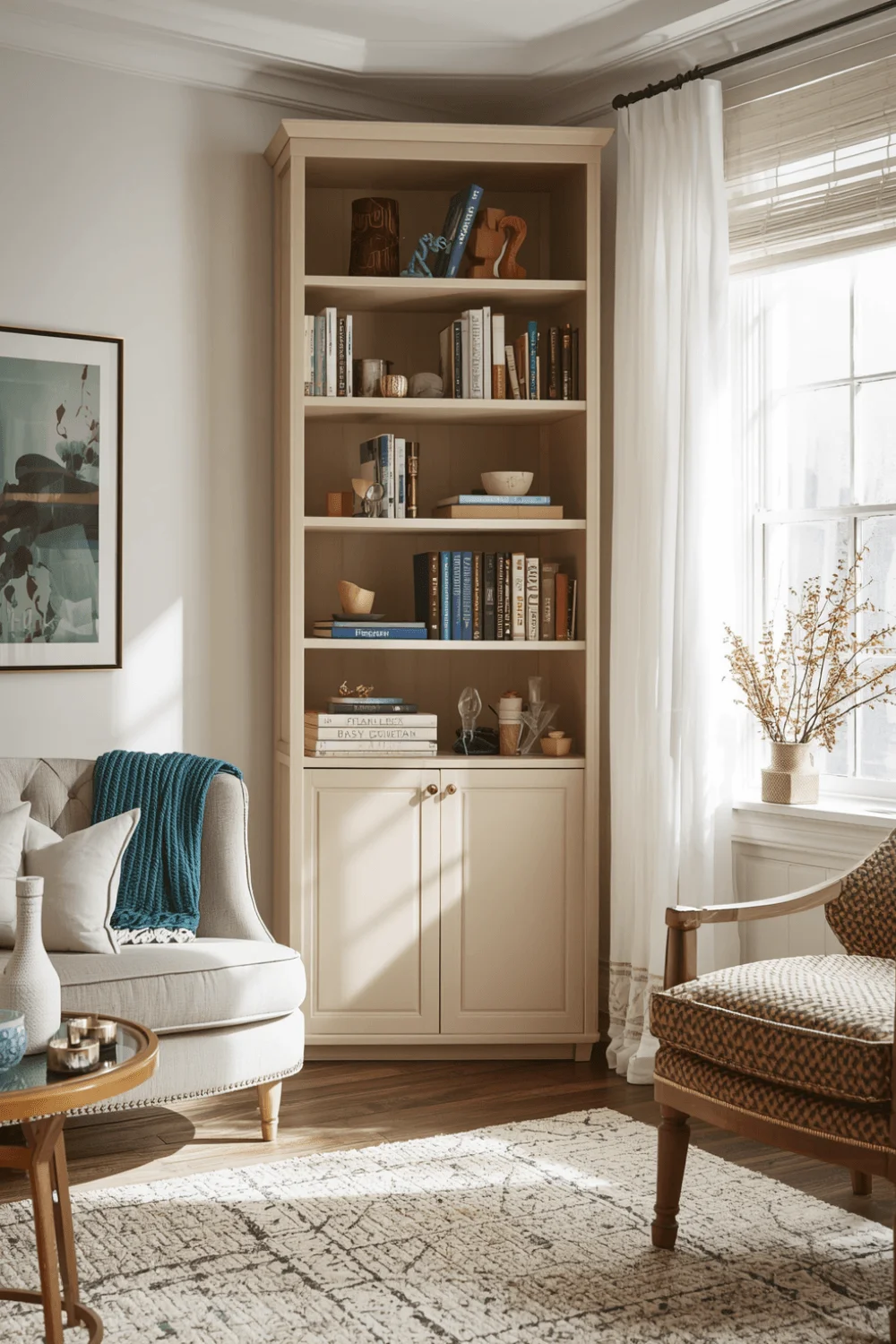
A small bedroom can hold far more than it appears to without feeling cramped. The trick is using overlooked vertical, under-bed, wall, and furniture space instead of adding more floor-standing storage. Good organization should create open pathways, reduce visible clutter, and make frequently used belongings easier to reach.
Start With Floor Space, Not Storage Products
Before buying organizers, look at how much of the room is occupied by furniture. A bedroom filled with separate dressers, side tables, shelves, baskets, and racks may have plenty of storage yet still feel uncomfortable.
Measure the room and identify the essential pieces. The bed normally occupies the largest area, so storage built around or beneath it can often replace separate furniture.
Keep walking routes open. Being able to enter the room, reach the bed, and open drawers without turning sideways makes a small bedroom feel noticeably better.
Use the Area Under the Bed Properly
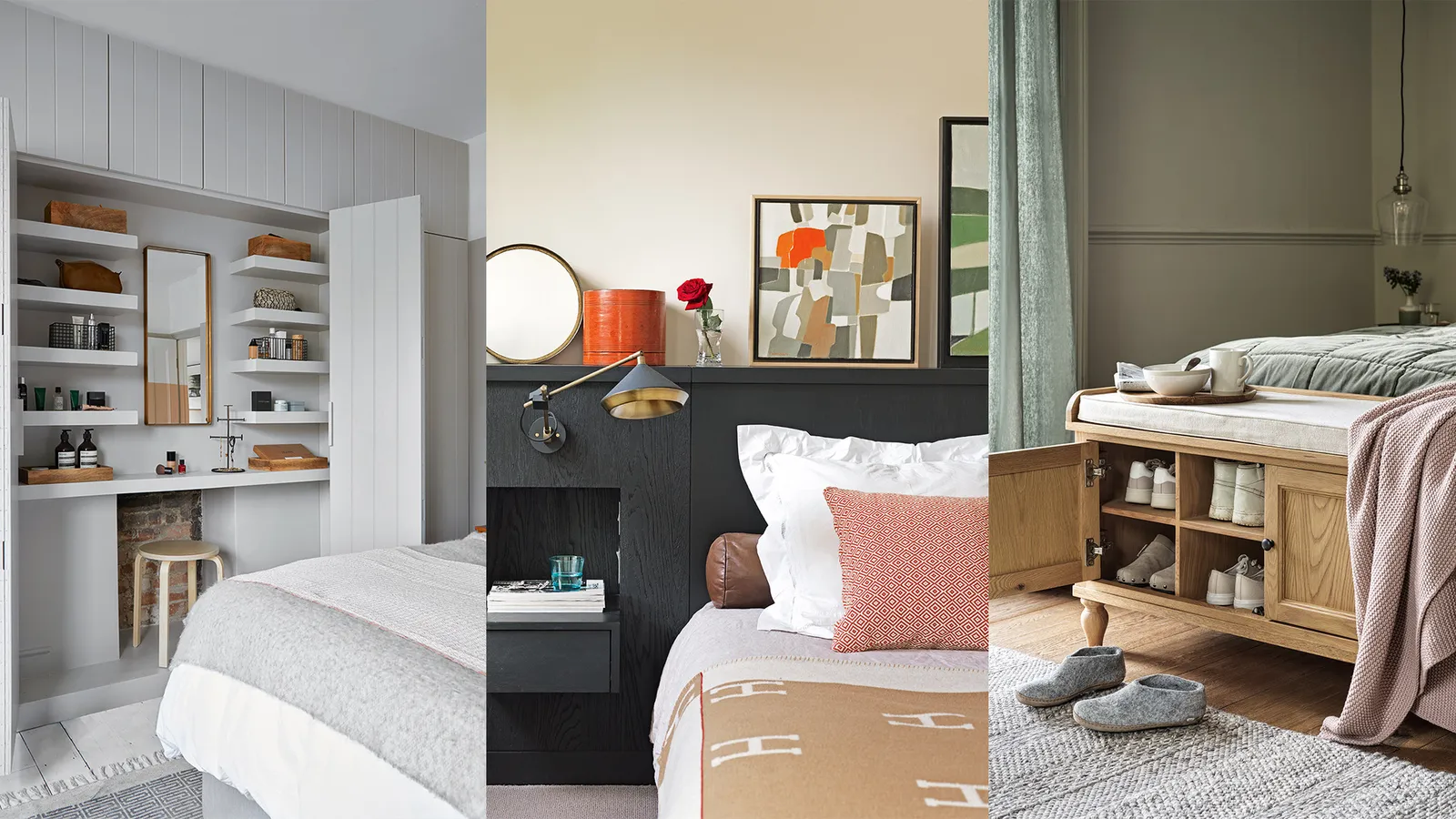
Under-bed space is valuable because it adds capacity without taking another inch of visible floor area. Drawers, low containers, zippered fabric cases, or a lift-up storage bed can hold seasonal clothing, spare bedding, shoes, and less frequently used belongings.
Looking through home-planning references may produce endless organizing ideas, but container height matters. Measure the clearance before purchasing anything.
Avoid turning the space into an unorganized hiding place. Assign categories to containers so items can be found without pulling everything out.
Move Storage Up the Walls
Blank wall space above desks, headboards, and dressers can carry storage that would otherwise require another cabinet. Floating shelves, wall-mounted boxes, hooks, and narrow ledges work especially well for lightweight items.
Broader interior organization ideas can inspire layouts, though every shelf doesn’t need to become a display. Leaving some empty wall area helps prevent the bedroom from feeling visually overloaded.
| Unused Area | Storage Option | Good For |
|---|---|---|
| Under bed | Low drawers or bins | Bedding, seasonal clothes |
| Above dresser | Wall shelves | Books, small objects |
| Behind door | Hooks or organizer | Bags, accessories |
| Bedside wall | Floating shelf | Phone, lamp, glasses |
Choose wall-mounted storage carefully and install it according to suitable fixing requirements for the wall and expected load.
Make Furniture Perform More Than One Job
Small bedrooms benefit from furniture that replaces two separate pieces. A bed with drawers can reduce the need for a large dresser. A storage bench provides seating and concealed capacity. A floating bedside shelf can replace a bulky nightstand.
People exploring design planning insights often encounter multifunctional furniture presented as a universal answer. It isn’t. Oversized combination pieces can dominate a room just as easily as ordinary furniture.
Check dimensions first. A compact piece that performs two useful jobs is usually better than a complicated piece that technically performs five but fits poorly.
Why More Storage Can Make a Small Room Worse
Storage doesn’t solve overcrowding if the room contains more belongings than its systems can reasonably hold. Adding bins and shelves indefinitely may preserve clutter instead of fixing it.
Visible storage can create another problem. Open shelves packed edge to edge make walls appear busier, while excessive hooks and over-door organizers can make every surface feel occupied.
Keep frequently used belongings accessible, store occasional items out of sight, and remove things that no longer justify taking up limited bedroom space.
Frequently Asked Questions
What is the best storage option for a very small bedroom?
Under-bed storage is often one of the most space-efficient choices because it uses an area already occupied by the bed. Wall-mounted storage can add capacity without consuming additional floor space.
How can I add a nightstand when there isn’t enough room?
Try a narrow floating shelf, wall-mounted bedside unit, headboard shelf, or compact stool. The goal is providing enough surface area for essentials without blocking the walking space beside the bed.
Should small bedrooms use open or closed storage?
A combination usually works well. Closed storage hides visually messy items, while limited open storage keeps frequently used or attractive objects accessible. Too much exposed storage can make a small room appear busier.
Protect the Open Space You Create
The best small-bedroom storage isn’t the system that holds the greatest number of things. It’s the one that keeps useful belongings organized while protecting enough open space for the room to remain comfortable.
Use hidden areas first, move selective storage upward, choose furniture with more than one practical function, and leave some surfaces intentionally empty. Space itself is part of the design.






Leave a Reply